Global Spotlight is Back On
After several years of virtual viewing rooms, pixelated previews, and Zoom panels, the art world is finally stepping back into the real world and doing it with force. In person exhibitions are not just returning; they’re evolving. Museums and galleries around the globe are investing in bigger, stranger, and more immersive shows. It’s not about hanging pictures on white walls anymore. Visitors are being dropped into multi sensory spaces, walking through soundscapes, or interacting with AI generated installations that adjust in real time.
Major institutions are throwing out the old playbook. Cross disciplinary is the new default. You’re as likely to find botanists and choreographers on curatorial teams as traditional art historians. The message is clear: contemporary art is no longer confined to a frame it’s a living, complex experience.
Three major trends stand out heading into 2026. First, climate conscious curation is changing how artists produce and how exhibitions get built think shipping less, sourcing locally, and reusing materials. Second, indigenous voices are not being tokenized they’re being centered, expanded, and given curatorial control. Finally, AI generated art is no longer a gimmick or footnote; it’s becoming a distinct and evolving form that institutions are taking seriously.
Call it a correction or a rebirth. Either way, the art world’s reset button has been hit and this time, it’s telling a more urgent, more connected story.
Venice Biennale Italy
The 60th Venice Biennale pulls no punches. Titled “Reclaiming Histories,” this edition marks a seismic shift in how global narratives are curated and confronted. Instead of centering the usual suspects from Western Europe and North America, curators have handed the mic to artists from the Global South delivering raw, unfiltered perspectives long sidelined from the global stage.
Installations stretch across the pavilions, from gut punched decolonial critiques to futuristic visions rooted in indigenous cosmologies. What’s striking isn’t just the work it’s the mood. Fierce. Urgent. Personal. This Biennale doesn’t ask for permission to challenge history; it demands a seat at the rewriting table.
Many are already calling it a landmark year one that doesn’t just reflect the state of art, but exposes the scaffolding of cultural power itself.
Tate Modern London
London’s Tate Modern takes us to a different threshold with “Post Human Mythologies.” Biology meets binary code in an exhibition that reads more like a tech lab than a traditional show. Think neural networks expressed in silk, CRISPR dreams cast in 3D printed amber. The boundary between human and machine has thinned, and this show explores the frictions and fantasies emerging in its wake.
Lynn Hershman Leeson’s rarely seen early works anchor the exhibit, placing decades of bio digital experimentation in context. Alongside her are rising digital native artists deploying generative installations that evolve live with audience interaction.
It’s less of a stroll, more of a systems check.
Whether you’re drawn to ancestral reclamation or speculative existence, what’s on offer in Europe this year goes well beyond the frame.
MoMA New York
Leonora Carrington finally gets the spotlight she deserves in this landmark retrospective at MoMA. Known for her fantastical, dream soaked paintings, Carrington’s work blends surrealism with a deep undercurrent of rebellion. The show doesn’t just revisit her iconic canvases it reframes them. MoMA brings in a fresh lens with new commissions by contemporary artists who reinterpret Carrington’s themes through the prism of feminist mysticism, folklore, and resistance. It’s not nostalgia; it’s a reactivation of her legacy.
SFMOMA San Francisco
At SFMOMA, the future isn’t just on display it’s in motion. “Code & Canvas” is an unflinching look at how Silicon Valley’s tools and artists’ visions are colliding. Big tech meets DIY creativity in an exhibition that’s half gallery, half live lab. Expect AI generated installations that evolve daily, code driven art that reacts to your presence, and soundscapes fed by data. It’s chaotic. It’s urgent. It’s where the underground meets the mainframe.
Mori Art Museum Tokyo
In 2026, the Mori Art Museum puts the planet on center stage with “Neo Nature,” a cross disciplinary exhibition that’s part protest, part proposal. This isn’t just aesthetics with a green tint it’s eco critique with teeth. Featuring artists from across Asia, the show tackles themes like biodiversity loss, environmental grief, and post natural landscapes.
But it’s not preaching. The real power comes from collaboration. Curated with input from anthropologists and climate scientists, the exhibition bridges emotion and evidence. Expect sensory installations that take you from rising coastlines to future food chains all with urgency, but also awe. If vlogging taught us anything, it’s the importance of narrative. “Neo Nature” tells one that matters.
NGV Triennial Melbourne
Design meets deep time at the National Gallery of Victoria’s 2026 Triennial. The theme: “Future Ancestry.” It’s an ambitious blend of storytelling and speculation ancestral memory fused with tech driven what ifs.
The lineup stretches from indigenous collectives reimagining traditional materials, to speculative designers using machine learning to map cultural evolution. Sculpture, performance, textile, and mixed media installations will speak to identity not just as inheritance, but as invention.
Think of it as a time capsule cracking open in both directions. Bold, weird, and occasionally uncomfortable, this Triennial isn’t playing safe and that’s exactly the point.
How to Maximize Your Visit
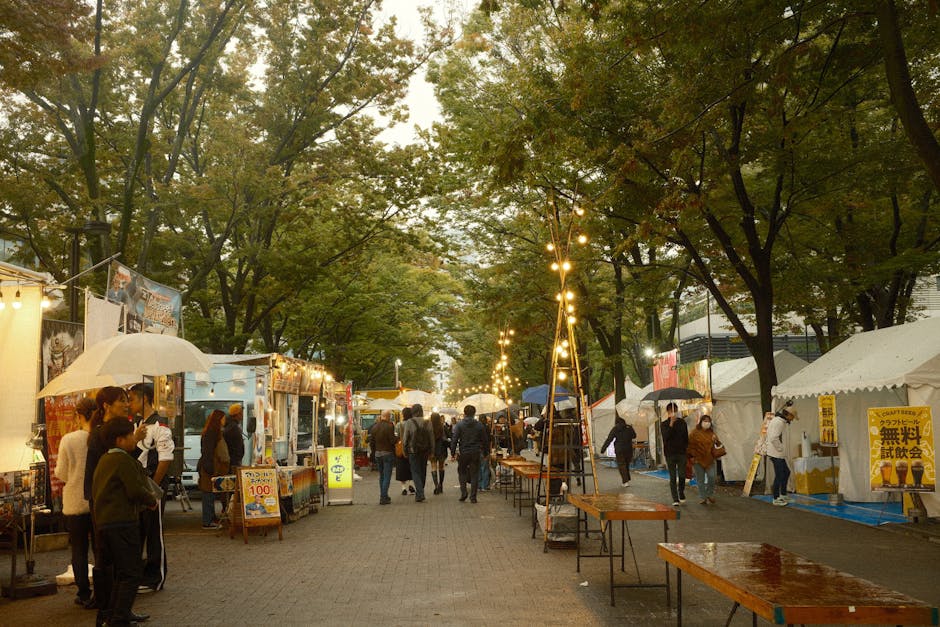
Crowds are back, and not in small numbers. If you want a real look at headline exhibitions, snag a VIP pass or join a guided preview. Getting in early or with curated insight can make or break your experience, especially when lines stretch around the block and floor space feels like rush hour.
But don’t just wander and snap photos. Journal your visit. It sharpens your eye and gives everything you see more weight. Think about composition, emotional tone, curatorial intent. Not sure where to start? Here’s a solid guide on how to do it right: How to Review an Art Exhibition Like a Pro.
Also, don’t ignore the tech. Many major shows now offer companion apps, AR filters, and digital layers that unlock additional context not fluff, but well considered extensions of the physical work. In 2026, feeding your camera lens is fine, but feeding your brain is better.
Worth Keeping an Eye On
While the usual capitals host blockbuster exhibitions, two biennials Lagos and São Paulo are commanding global attention for something more vital: momentum. Both are pulling sharp focus onto emerging African and Latin American voices, not as token gestures, but as the main event. Lagos is spotlighting a generation of artists grappling with postcolonial narratives through new media and hybrid forms. São Paulo is re centering the discourse with bold, politically charged installations that echo both local tension and global resonance. These aren’t fringe showcases; they’re setting the tone.
Meanwhile, in Paris, the mid year satellite fairs lining up with the Olympics’ cultural programming are creating a collision space of their own. Expect heavyweight galleries sharing tent space with pop ups led by artists’ collectives. Some focus on performance, others on AR art or fast install sculpture. It’s not polished by design. It’s Paris in motion, proving that major global events can still make meaningful room for experimentation.
Stay alert. 2026 is proving to be a pivot point in the global art landscape one where creativity, technology, and urgency all collide.