Names Making Noise in 2026
This year’s most compelling new artists aren’t coming from one place, style, or school they’re emerging like pressure points across a fractured art landscape. From remote collectives in Georgia to experimental studios deep in Berlin’s gallery undercurrent, these creators are earning space on global radars, one show and one scroll at a time.
What’s cutting through? Work that taps into something raw and relevant. Sustainability isn’t just a buzzword it’s baked into the materials. Bioplastics, salvaged metals, algae ink. Identity is under the skin of every project, layered in performance, portrait, or glitch. Digital expression is no longer the “new frontier.” It’s the canvas. And material experimentation? That’s where a lot of the energy lives in the guts of AI ceramics, hybrid audio sculpture rigs, and pieces that evolve in response to touch or humidity.
Collectors are watching. So are critics. Major curators are quietly circling. Not because the work is polished often it’s the opposite. It’s alive, stubborn, unrefined. And that’s what makes it stick. These aren’t just artists to know. They’re recalibrating what “emerging talent” even means.
Key Exhibits That Elevated These Artists
At Berlin’s Neue Form, “Future Strokes” delivered something rare: digital native painters who didn’t feel like they were still getting their footing. These artists largely self taught, mostly under 30 moved beyond pixel polish and leaned hard into narrative, cultural critique, and emotional memory. AI assisted brushes and algorithmic patterns set the pace, but it was the point of view behind each piece that connected. No gimmicks. Just clarity and daring.
In Los Angeles, the “Bodies in Flux” show brought movement into stillness. Sculptures that twist mid expression. Video art that plays with the limits of posture, gender, and form without announcing itself too loudly. This wasn’t about shock it was about structural honesty. Each work asked what the body becomes when roles fall away and identity isn’t binary. The conversation here ran deeper than just form. It touched something raw.
Down in London’s Bricklane Vaults, “Unreal Landscapes” turned the concept of land inside out. These were not vistas of nostalgia. Think post climate dreamfields melting permafrost reimagined as neon fog, abandoned highways spliced with virtual fauna. Surreal, yes. But also grounded in data, grief, and speculative survival. It didn’t feel like escape. It felt like a preview.
Each of these exhibits did more than spotlight new talent they gave shape to how contemporary art is mutating alongside the world that made it.
Artists Redefining Mediums
Chiyoko Han (Tokyo) isn’t interested in clean lines or easily tagged media types. Her recent work straddles the digital and the organic NFT backed pieces caked with raw soil, rust, and bio treated cloth. The clash is intentional. It questions permanence in both the blockchain space and physical decay. Rather than pick a lane, she stacks them, and the result is both archival and unstable.
In Bogotá, Mateo Ruiz Calderón is building with light, but not just for aesthetics. His installations track ancestral rhythms pulses drawn from oral traditions, lunar cycles, and the body’s natural frequencies. Entire rooms shift with the movement of projection, sound, and breath. Visitors don’t just view his work, they walk through memory translated into color and shape.
Sienna Mallon from Dublin is quietly pushing ceramics into uncanny territory. Her pieces are co produced with AI models that interpret biometric emotional input pulse rate, vocal tone, skin temp in real time. Each ceramic object evolves based on how the artist feels during formation. The form isn’t chosen, it emerges. It’s clay shaped by mood, data, and code soft, weird, and deeply personal.
Trends Fueling Artist Momentum
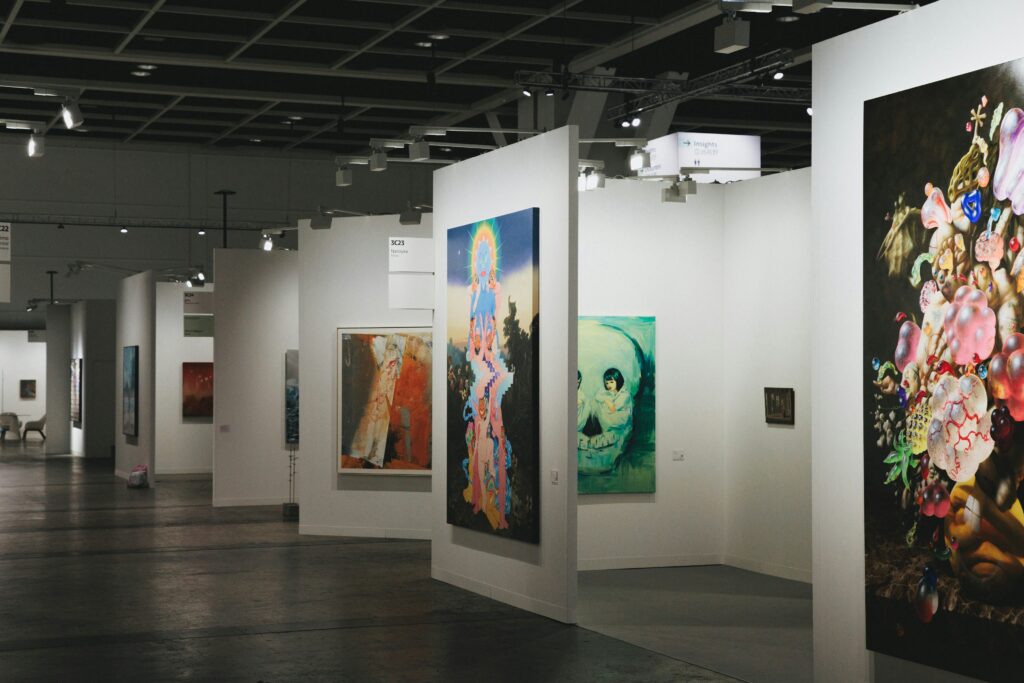
The white cube is cracking. Traditional gallery walls are being punctured sometimes literally by artists pulling in installations, AR layers, scent based audio, and immersive tech. The shift isn’t just aesthetic; it’s reshaping how people experience art. Visitors aren’t just viewers anymore they’re often part of the work, whether they’re walking through fog filled rooms, scanning a QR code that pulls a sculpture into their living rooms, or tracing sound trails with their own movement. What belonged in digital labs or science fairs now demands real estate in blue chip spaces.
Outside the gallery, artists are building stronger direct lines to audiences. Social media isn’t just for marketing anymore it’s where work lives, breaths, and evolves. Platforms like Are.na, Discord servers, and independent channels allow creators to sidestep the gatekeepers and curate context on their own terms. This isn’t about clout chasing. It’s about control and a better fit between art, artist, and community.
This decentralization brings us to the final trend: audience feedback shaping the work itself. Comments, reactions, even silence all of it loops back into performance, sparking changes mid run or guiding the concept for what comes next. It’s messy, yes. But it’s real. And for artists tuned into this feedback loop, the art never quite ends it just keeps evolving.
(Explore further in Analyzing Audience Reactions to Contemporary Art Installations)
Emerging Collectors Are Paying Attention
A New Generation of Buyers
A noticeable shift is taking place in collector demographics. Buyers under 40 are leading the charge in acquiring bold, tech savvy, and immersive artworks that challenge the definitions of traditional media.
Younger collectors prioritize experience and interaction over conventional forms
There’s a strong interest in materials that blend digital processes with tactile elements
Immersive and conceptual pieces that offer narrative depth are highly sought after
Tech Powered Visibility
Emerging technologies are reshaping how collectors discover and purchase art:
AR/VR Previews: Allow potential buyers to step into digital versions of exhibitions, offering greater contextual understanding before purchasing
Blockchain backed Provenance: Ensures transparency in ownership history and authenticity, increasing trust in unfamiliar names
Smart contracts and NFTs: Help streamline sales, royalties, and resale tracking, benefiting both artists and collectors
These innovations expand exposure for emerging artists, making their work more accessible and marketable to educated, tech forward audiences.
Small Shows, Big Impact
Intimate, localized exhibitions are becoming unlikely launchpads for global acclaim. These venues often overlooked by major institutions are attracting curators, critics, and buyers eager to catch the next wave of talent.
Small venue exhibits allow artists to experiment and connect with collectors face to face
Buyers are more inclined to take risks in low pressure, high engagement settings
Success stories from such shows often travel fast through social media and art networks, amplifying reach far beyond the local scene
In 2026, the collectors who lead and shape the market aren’t always seated in front row auctions. They’re walking through immersive pop ups, exploring blockchain art platforms, and following micro curated shows from their phones. And they’re turning emerging voices into lasting legacies.
What It Means for the Contemporary Art Scene
A New Generation Is Pushing the Boundaries
The latest wave of emerging artists is reshaping not just what is shown in galleries but how art is made, interpreted, and sold. Traditional rules around form, value, and presentation are being dismantled in favor of more fluid, idea driven approaches.
Key Shifts in Aesthetic and Market Norms:
Medium blending is the norm: Artists freely combine tech, organic materials, and performance.
Narrative driven exhibitions: Shows center around storytelling, activism, and identity not just visuals.
Decommodified experiences: Work is less about saleability, more about impact and participation.
Collectors, curators, and institutions are being challenged to adapt to a more decentralized, experience first understanding of what art can be.
Diverse Voices Taking Center Stage
A notable hallmark of this shift is the growing representation of BIPOC and queer artists in both indie and institutional spaces. These artists aren’t just participating they’re headlining.
What’s Driving the Change:
Community rooted visibility through social media, urban residencies, and artist collectives.
Cultural narratives that reflect a broader range of lived experiences and challenge dominant art historical frameworks.
Curatorial activism prioritizing inclusion and equity in major exhibit spaces.
Shows across New York, Berlin, Lagos, and São Paulo are increasingly representative, spotlighting artists whose work might have been sidelined a decade ago.
Risk Takers Are Leading the Movement
This era favors boldness. Whether it’s through unconventional mediums, politically charged content, or format defying exhibitions, today’s most talked about artists are the ones willing to take creative risks.
Artists who address climate crisis, digital dystopia, and social unrest gain traction quickly.
Performative and interactive works create deeper audience connections.
Gallery spaces are adapting to be more modular, open ended, and interpretive.
Bottom line: Those challenging both aesthetic norms and market expectations aren’t on the fringes they’re writing the next chapter of contemporary art.