Breaking Rules with Intent
Mixed media isn’t new, but right now, it’s more relevant than ever. In a time when everyone’s connected and everything’s curated, mixed media throws a wrench into the perfect feed. It’s raw. Layered. Real. That’s why it’s become the heartbeat of modern expression it resists clean edges and simple answers. It lets artists break rules and still say something that sticks.
The power lies in the mash up. Film photos layered with digital brushstrokes. Charcoal sketched right over inkjet prints. Hand scrawled words alongside code generated patterns. Analog and digital aren’t opposites anymore they’re collaborators. That fusion gives artists more range to explore complex themes and give work a tactile bite.
Texture carries weight. So does contrast. The scratches in dried paint, the torn paper strip across a clean vector it all speaks. Nothing says it has to match. That friction between elements speaks louder than polish ever could. It forces the viewer to slow down and look closer. In 2024, with so much flat screen content, that kind of disruption feels necessary.
Layering That Tells a Story
There’s a difference between throwing materials together and building something that sticks visually and emotionally. In mixed media, layering matters. Acrylics bring foundation and weight. Pastels add softness, mood, and texture. Collage elements whether old photos or torn magazine scraps inject memory, tone, or tension.
Then you’ve got paper, textiles, even metal bits or leaves. These aren’t just decorative. They create depth, both physically and narratively. Used right, they pull the viewer in, offering tiny surprise after tiny surprise. You don’t need a perfect system. You need a rhythm one that balances chaos with clarity.
The best modern mixed media works walk that tightrope. They’re not clean. They’re not easy. But every odd scrap or bold stroke carries purpose. There’s thought behind the mess, and that’s the secret: let the wildness speak, but don’t let it ramble.
Digital Meets Physical
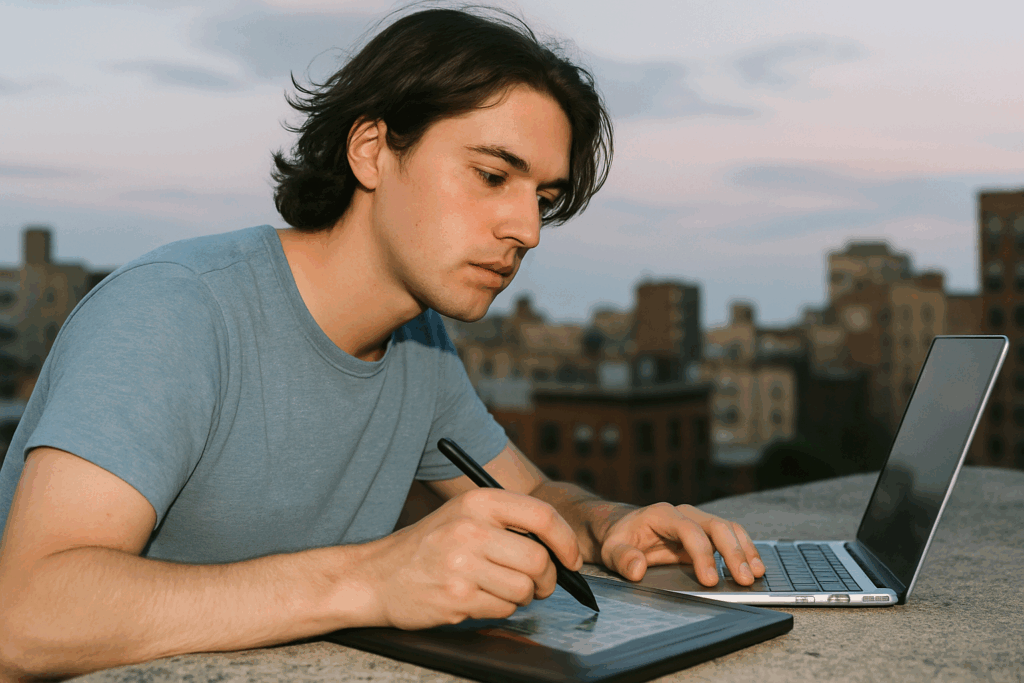
Mixed media is no longer just about glue and scissors. Today, it’s about cross pollinating pixels with pigment. Artists are integrating digital prints photographs, manipulated graphics, AI generated layers straight into works featuring pencil, ink, or charcoal lines. The precision of tech meets the touch of the human hand. That tension creates resonance. It’s not about replacing the rough with the smooth it’s about letting opposites sit side by side.
In gallery spaces, augmented reality (AR) has moved from gimmick to tool. Now, unsuspecting viewers aiming their phones at a canvas might unlock hidden narratives, motion graphics, or sounds layered behind the physical work. This second layer doesn’t just add flash it deepens the experience, letting the piece evolve as the viewer engages on their own terms.
But here’s the thing just because you can add tech, doesn’t mean you should. Knowing when to stop matters just as much as knowing what tools to explore. If a digital layer distracts from the tactile soul of the work, it’s noise. Mixed media is at its best when every element earns its place. Use tech like you’d use color or line with reason, with rhythm, and never just for show.
Unconventional Tools and Surfaces
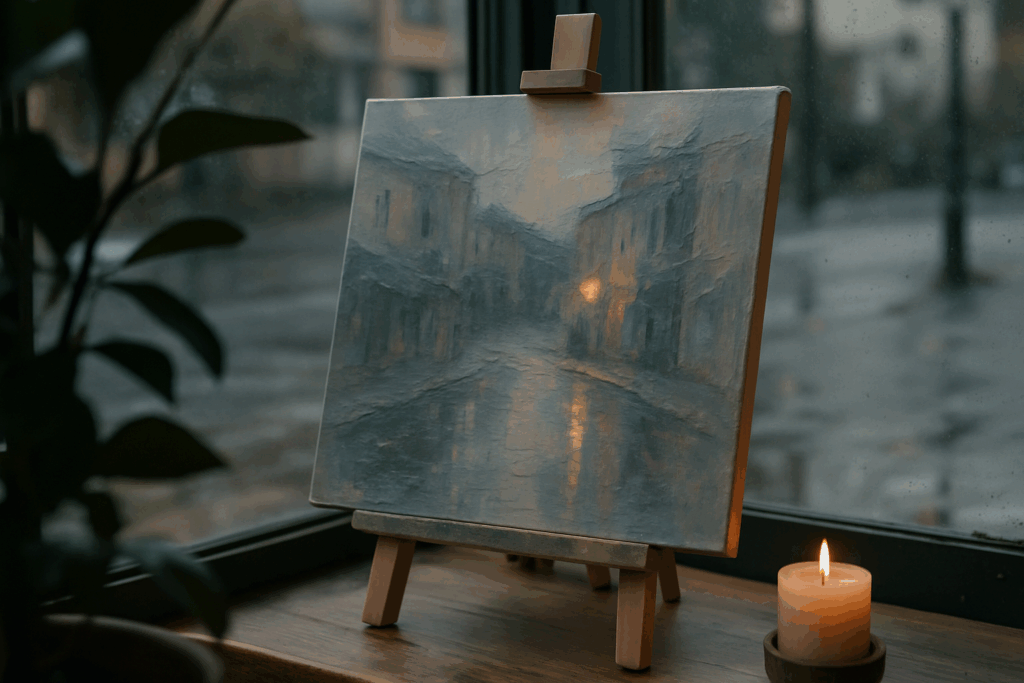
Canvas is fine, but it’s also expected. Artists today are digging deeper, starting with surfaces like raw wood, sheets of glass, or salvaged metal. These materials don’t just hold pigment they react to it. The grain of wood absorbs differently than canvas. Glass adds reflection and fragility. Metal can be scorched, scraped, or rusted for drama you can’t fake.
Then come the tools. Brushes are just the gateway drug. Blowtorches leave scorched trails or pull unexpected color from chemical reactions. Palette knives can carve into paint, not just smear it. Artists are also using everyday objects cardboard pieces, combs, even wire to mark surfaces in ways that leave genuine, imperfect texture.
The goal? Interrupt expectations. Let the surface fight back. Let the mark surprise you. Great mixed media isn’t clean it’s layered, scarred, built up and broken down. It’s less about polish, more about presence. If something feels too controlled, rough it up. The light, the line, even the silence between elements they all start on the surface you choose and how you choose to treat it.
Learning from Contemporary Artists
Walk into nearly any progressive studio space right now, and you’ll likely see materials that don’t traditionally belong together photographs stitched with thread, spray paint layered over printed maps, embedded circuits lighting up panels of reclaimed wood. This isn’t chaos for chaos’ sake. These choices reflect intent. Artists are pushing media not just to see what can bend, but to build distinct visual languages tailored to the subject matter and their own lived experiences.
While techniques vary across studios, a few consistent trends are taking hold: heavy layering, mixed surface treatments, and tactile interruption. Some artists are revisiting analog methods like monoprinting and encaustic, then combining them with digital transfers or laser cut elements. There’s a strong emphasis on contrast between textures, technologies, even time periods.
Gallery spaces are responding. No longer just white walls with expected layouts, curators are embracing installations that invite audience interaction. Multi sensory works where sound, scent, or kinetic elements enhance visual layers are no longer fringe. These experimental pieces are being given prime space, with lighting, pacing, and environment engineered to amplify the work rather than simply display it.
To see this evolution up close, browse current modern art shows. The best way to understand these techniques is to experience their ambition firsthand.
Pushing Your Own Practice
Starting your mixed media journey isn’t about waiting for the perfect materials or a grand concept. It’s about diving in. Grab what you’ve got paper scraps, leftover paint, one weird brush and start layering. Mix textures that feel like they don’t belong together. Tape something down. Paint over it. Scratch into that. Momentum beats precision on day one.
As for knowing when a piece is finished? You don’t always. Some works hit a wall and say, “I’m done.” Others need to live in the corner of your studio for a week or a year before they speak up again. Train your eye to notice when a piece feels balanced, not polished. Raw is often better.
To keep your ideas fresh, immerse yourself in global perspectives. Browse modern art shows. Study how today’s artists push materials, rethink composition, and blur boundaries. Let their risk spark your next experiment. Keep evolving, but stay grounded in what feels honest in your own hands.
There’s no fixed method here. The only rule is to keep going.
Keep Making
Mixed media isn’t about polish it’s about momentum. It’s sketching over mistakes. Layering without knowing what comes next. Letting the process stay in motion even when the result is messy or unresolved. That’s where the good stuff lives.
Risk is part of this territory. Tape something down that doesn’t match. Scratch over a layer you liked yesterday. Let the tension between materials create new meaning. The friction the resistance of combining the unexpected isn’t a mistake. It’s a tool.
In modern art, your materials don’t limit you. Paint doesn’t just go on canvas anymore. Threads can sit next to neon. Dust, data, cardboard, bone if it speaks, use it. The point isn’t to replicate what’s been done. It’s to keep doing, keep trying, keep pushing. Mixed media is about building forward, not achieving an end point.
 There is a specific skill involved in explaining something clearly — one that is completely separate from actually knowing the subject. Caroline Norfleeters has both. They has spent years working with artist spotlight features in a hands-on capacity, and an equal amount of time figuring out how to translate that experience into writing that people with different backgrounds can actually absorb and use.
Caroline tends to approach complex subjects — Artist Spotlight Features, Cultural Art Events, Gallery Exhibitions and Reviews being good examples — by starting with what the reader already knows, then building outward from there rather than dropping them in the deep end. It sounds like a small thing. In practice it makes a significant difference in whether someone finishes the article or abandons it halfway through. They is also good at knowing when to stop — a surprisingly underrated skill. Some writers bury useful information under so many caveats and qualifications that the point disappears. Caroline knows where the point is and gets there without too many detours.
The practical effect of all this is that people who read Caroline's work tend to come away actually capable of doing something with it. Not just vaguely informed — actually capable. For a writer working in artist spotlight features, that is probably the best possible outcome, and it's the standard Caroline holds they's own work to.
There is a specific skill involved in explaining something clearly — one that is completely separate from actually knowing the subject. Caroline Norfleeters has both. They has spent years working with artist spotlight features in a hands-on capacity, and an equal amount of time figuring out how to translate that experience into writing that people with different backgrounds can actually absorb and use.
Caroline tends to approach complex subjects — Artist Spotlight Features, Cultural Art Events, Gallery Exhibitions and Reviews being good examples — by starting with what the reader already knows, then building outward from there rather than dropping them in the deep end. It sounds like a small thing. In practice it makes a significant difference in whether someone finishes the article or abandons it halfway through. They is also good at knowing when to stop — a surprisingly underrated skill. Some writers bury useful information under so many caveats and qualifications that the point disappears. Caroline knows where the point is and gets there without too many detours.
The practical effect of all this is that people who read Caroline's work tend to come away actually capable of doing something with it. Not just vaguely informed — actually capable. For a writer working in artist spotlight features, that is probably the best possible outcome, and it's the standard Caroline holds they's own work to.