
Defining the Hybrid Digital Artist in 2026
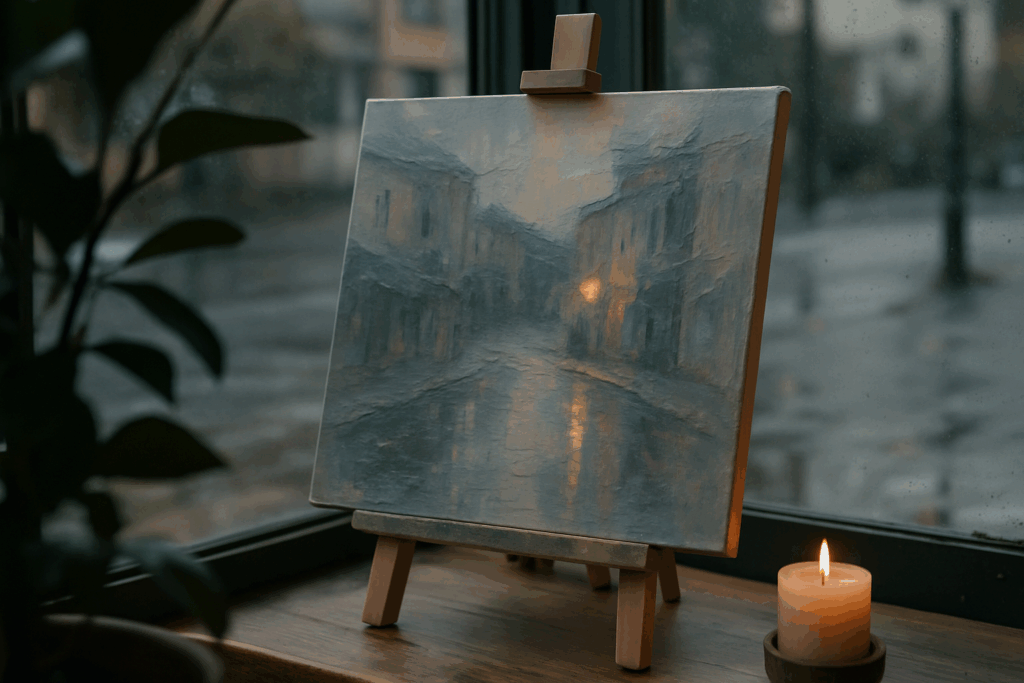
The art world didn’t collapse when blockchain walked in it morphed. Traditional fine artists, once tethered to canvas and gallery walls, have started pairing oil paints with smart contracts. The result is a new breed: hybrid digital artists. They’re walking the line between old school technique and new age tech, where a brushstroke might live in a studio but sell on a blockchain.
Enter the “phygital” movement. Artists are creating one of a kind physical works with a digital twin an NFT that proves ownership, offers unlockable content, or even evolves over time. It’s not a gimmick. It’s another layer of value. Buyers get something tangible for the real world and something verifiable, transferable, and blockchain backed for the digital one.
To stay afloat and profit in this split medium economy, artists are diversifying. A series might include canvas originals, digital renderings, limited edition prints, and tokenized collectibles all tied together by theme and tone. The formula? Integrity in craft, savvy in tech. It’s not about chasing trends but expanding the story across all platforms.
The artists winning today aren’t abandoning tradition they’re expanding it.
The Evolution from Canvas to Code
The shift wasn’t sudden it was more of a slow redraw. Classically trained painters, used to oil, acrylic, and the weight of stretched canvas, started inching toward digital out of necessity, not ambition. Some were driven by the shrinking gallery scene. Others followed their audience, who had moved online long before the art world caught up.
The transition tools were accessible, but required a mindset shift. Procreate introduced speed. Photoshop added flexibility. Blender opened doors to 3D, and smart contracts gave digital art a way to be owned, tracked, and valued. Each tool answered a problem traditional materials couldn’t solve. Together, they formed a new studio no rent or easels required.
But the tech alone didn’t push the evolution. Online communities accelerated it. Artists began trading critique in Discord servers instead of MFA critiques. Reddit and Twitter became testing grounds for style pivots, price points, and identity statements. Feedback loops were no longer local they were global and immediate. That pace doesn’t suit everybody, but for the ones who adapted, it forged stronger work and a broader reach.
This isn’t digital vs. fine art. It’s a hybrid state. A flexible frame. And for many painters, it’s a way to stay in the game on their own terms.
NFTs as More Than Just Hype
In 2021, NFTs burst onto the scene like a supernova flashy, chaotic, and swarmed by hype. Art was suddenly tokenized, sold in seconds, and flipped for profit by day traders with more crypto than context. But that gold rush couldn’t last. In 2024, the landscape has changed. Tokenized art has matured beyond speculative JPEGs and meme based collectibles. It’s now about long term value: embedded royalties for creators, immutable provenance, and gated access that turns ownership into experience.
Smart artists are using NFTs not just as sales tools, but as continuing relationships. Want early access to a new collection? Own the previous drop. Want proof of authenticity? It’s coded into the token. NFT functionality now merges business sense with storytelling. Buyers still care about aesthetics, but they’re choosing art that’s rare, layered with narrative, and backed by utility like unlockable content or physical pairings.
Tokenization hasn’t replaced the gallery, but it’s offered artists more control and an audience that values both concept and code. The flash is fading. What’s left is a quieter, more sustainable creative economy one where digital art finally owns its permanence.
Real World and On Chain Success Stories
The old story was: get an agent, land a gallery show, wait for a critic’s nod. That playbook still exists. But now, artists are also flipping it using platforms like Foundation, Zora, and OpenSea as springboards to reach collectors directly, then leveraging those wins to secure real world shows.
Take Savannah Elms, a classically trained painter whose glitch inspired portraits went viral on Tezos. After minting a series of limited run pieces with embedded unlockable print rights, she caught the attention of a curator at a Berlin gallery. Six months later, she had a wall. Her NFT collectors got early access to a companion print drop blurring the boundary between digital backers and physical world supporters.
Others are going hybrid by design. James Wei, known for gestural abstraction with generative inputs, alternates between solo exhibits and timed blockchain releases. He doesn’t just sell art he delivers layered access: private Q&As, behind the scenes studio feeds, and first dibs on physical works. That kind of outreach isn’t fluff it’s community building with stakes.
What’s clear is that blockchain isn’t replacing traditional pathways it’s expanding them. Artists who stay nimble, blending aesthetics with utility, are finding new types of patrons. And those patrons expect more than pixels. They want story, scarcity, and a sense that they’re part of your climb.
For more, hear it directly from the source: Inside the Creative Mind of a Contemporary Abstract Painter.
Challenges and Shifts in the Landscape
Even as digital art settles into the mainstream, hybrid artists are navigating serious friction points. First up: gas fees. On chain minting is never truly cheap, and knowing when and where to mint matters more than ever. Some artists have shifted to lower cost Layer 2 chains or opted for lazy minting to delay costs. But none of it’s frictionless. Each decision affects both margins and visibility.
Marketplace saturation is another reality check. With thousands of new pieces going live daily, getting featured isn’t guaranteed. Artists are facing tougher curation gates, increasingly dictated by shifting platform algorithms or internal review boards. What worked last year doesn’t guarantee a slot today. Smart creators are building direct relationships with collectors and diversifying across platforms to avoid being at the mercy of a single algorithm.
Then there’s the legal gray zone hovering over both physical and digital works. Copyright gets tricky fast especially when a digital piece references or builds on a physical original. Artists have had to lawyer up or, at the very least, read the fine print on licensing for tokenized work. Ownership doesn’t always equal creative control, and misunderstandings can blow up on social media fast.
Which brings us to audience perception. Blockchain tech remains polarizing. Some long time fans see NFTs as a sellout move or environmental liability. Others especially collectors are all in. Navigating this split requires clear communication, personal ethics, and sometimes, a thick skin. The most successful artists don’t try to please everyone they build trust by standing for something and communicating the why behind every tech forward move.
The Path Forward for Creative Hybrids
For digital artists today, survival isn’t about picking a side it’s about building a system that spans them all. The most resilient creators are developing careers that live in between traditional galleries, web3 marketplaces, and immersive environments like the metaverse. The key is flexibility: launch a gallery show one month, then drop an interactive NFT collection in a metaverse gallery the next. It’s not about abandoning roots it’s about expanding the canvas.
Artist DAOs (decentralized autonomous organizations) are becoming crucial scaffolding for this new model. DAOs offer collective governance, shared curatorial power, and new revenue mechanics like voting based commissions or community funded exhibitions. Perpetual royalties hard baked into smart contracts ensure that digital artists can finally make money off resales, something the analog world rarely offered. Meanwhile, decentralized curation platforms reduce gatekeeping and open the door for radically diverse work.
But none of this matters without authenticity. Chasing every trend burns fast. The artists who last are the ones who adapt structurally, not aesthetically. They evolve their business model without diluting their voice. In a landscape that shifts fast, longevity depends on staying true to the core, even as the tools and platforms shift beneath your feet.
 Zyphren Kryndall is the kind of writer who genuinely cannot publish something without checking it twice. Maybe three times. They came to inspiration and resources through years of hands-on work rather than theory, which means the things they writes about — Inspiration and Resources, Creative Techniques and Tutorials, Gallery Exhibitions and Reviews, among other areas — are things they has actually tested, questioned, and revised opinions on more than once.
That shows in the work. Zyphren's pieces tend to go a level deeper than most. Not in a way that becomes unreadable, but in a way that makes you realize you'd been missing something important. They has a habit of finding the detail that everybody else glosses over and making it the center of the story — which sounds simple, but takes a rare combination of curiosity and patience to pull off consistently. The writing never feels rushed. It feels like someone who sat with the subject long enough to actually understand it.
Outside of specific topics, what Zyphren cares about most is whether the reader walks away with something useful. Not impressed. Not entertained. Useful. That's a harder bar to clear than it sounds, and they clears it more often than not — which is why readers tend to remember Zyphren's articles long after they've forgotten the headline.
Zyphren Kryndall is the kind of writer who genuinely cannot publish something without checking it twice. Maybe three times. They came to inspiration and resources through years of hands-on work rather than theory, which means the things they writes about — Inspiration and Resources, Creative Techniques and Tutorials, Gallery Exhibitions and Reviews, among other areas — are things they has actually tested, questioned, and revised opinions on more than once.
That shows in the work. Zyphren's pieces tend to go a level deeper than most. Not in a way that becomes unreadable, but in a way that makes you realize you'd been missing something important. They has a habit of finding the detail that everybody else glosses over and making it the center of the story — which sounds simple, but takes a rare combination of curiosity and patience to pull off consistently. The writing never feels rushed. It feels like someone who sat with the subject long enough to actually understand it.
Outside of specific topics, what Zyphren cares about most is whether the reader walks away with something useful. Not impressed. Not entertained. Useful. That's a harder bar to clear than it sounds, and they clears it more often than not — which is why readers tend to remember Zyphren's articles long after they've forgotten the headline.