The Instinct Behind Abstraction
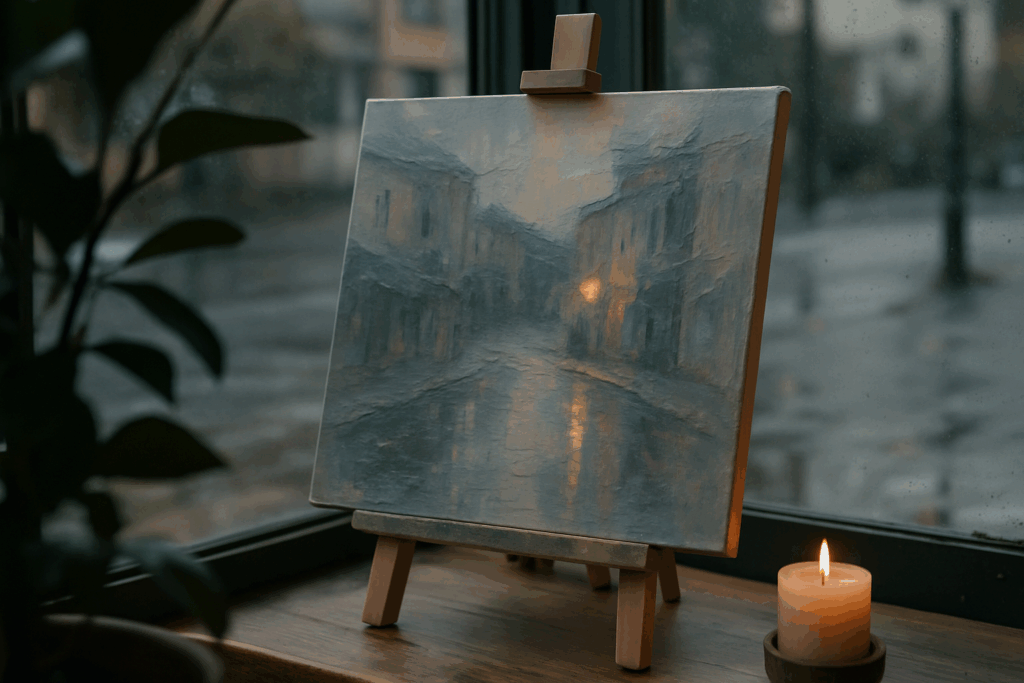
Abstract painters in 2026 don’t chase the obvious. They skip past the literal and head straight for the visceral. It’s not about painting what you see it’s about painting what you feel. Shapes don’t have to resemble anything. Color blocks, jagged lines, negative space these are the tools, not symbols. What matters is the charge they carry, the friction they create on the canvas.
Most contemporary abstract painters aren’t trying to mystify or shock. They’re trying to translate something harder to pin down: grief, resistance, chaos, joy. Some channel turbulent political climates. Others dig into questions of identity, memory, or mental health. There’s power in ambiguity the viewer fills in the blanks.
In a world that changes fast and often feels unstable, abstraction can be a kind of anchor. A flexible language for inarticulable things. For many artists, it’s not just about making a mark on a canvas. It’s about processing the world, one uncertain brushstroke at a time.
Daily Life in the Studio
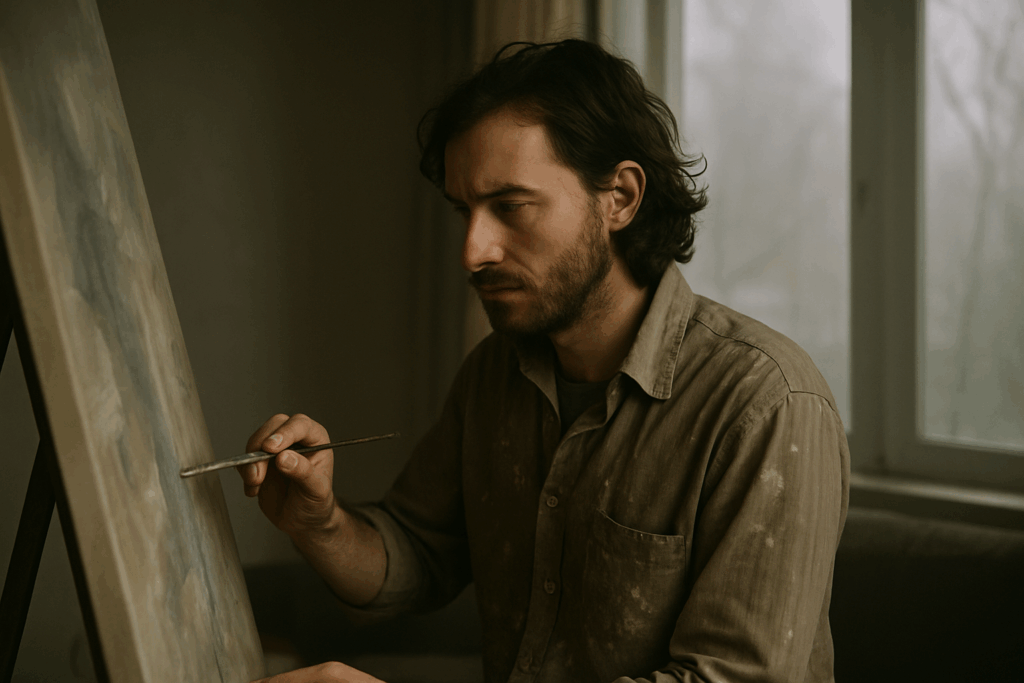
Abstract painting today walks the line between structure and surrender. For some artists, it’s about showing up every day at the same hour, coffee in hand, clocking in like any other job. Others work in bursts midnight energy, sudden urgency, never quite planned. It’s all fair play.
The actual process is anything but polished. Painters layer over older work, scrape it back, remix materials, live with the piece for a while, then shift again. It’s a slow wrestle, not a sprint. Nothing gets packaged in a single sitting it’s built over time, often with doubt riding shotgun.
Materials are a key part of the story. Sure, oil and acrylic are still here, but so are found surfaces wood from demolition sites, torn fabric, even projected light. The canvas has expanded. These aren’t just paintings; they’re collisions of ritual, mistakes, texture, and time.
Influence and Inspiration
A Global Web of Influence
Contemporary abstract painters in 2026 are drawing from an unprecedented range of sources. Their work is an intricate blend of local sensibility and global perspective:
Soundscapes: Music influences rhythm and mood. Jazz, classical, electronic each informs a different visual language.
Built Environments: Architecture can shape composition, spatial balance, and pattern.
Politics and Culture: Political upheaval, social movements, and identity inform many visual narratives.
Personal Memory: Abstract forms sometimes serve as emotional markers distorted snapshots of formative moments.
Environmental Data: Climate change, urban density, and environmental stressors are interpreted through color, texture, and scale.
Connected, Not Isolated
The isolation of past abstract movements think Abstract Expressionism huddled in post war New York or the Bauhaus in Europe has given way to something more fluid and networked.
Artists now work across continents, often collaborating online or exhibiting in digital spaces.
Mixed influences are celebrated, rather than seen as distractions or impurities.
Platforms like Instagram, livestream panels, and virtual residencies foster a sense of shared experimentation.
The Canvas as Code
What emerges from all this influence is work that feels both personal and enigmatic:
Each piece often resembles a coded message symbolic, gestural, sometimes cryptic.
Viewers are invited to interpret, not just observe.
But beneath the surface, these works are grounded in the artist’s lived experience displacement, passion, resistance, or hope.
In a sense, abstract painters today aren’t just reacting to the world they’re translating its chaos into a language we can feel.
Inside the Mind: Chaos Meets Control
Abstract painters live in the tension between instinct and intention. Too much control, and the work feels rigid. Too much chaos, and it collapses into noise. Every mark on the canvas teeters between planning and surrender. Choices matter a color shift, a change in pressure, deciding whether to layer or erase. But making too many decisions too fast burns you out.
In a world of endless options, creative fatigue is real. Artists talk about the moment they know a piece is done or when they have to stop before overworking it into oblivion. Sometimes that means walking away mid session. Other times, it’s about scrapping hours of effort just to chase a wilder idea.
Behind the canvas, the process starts in silence. Many abstract artists keep private sketchbooks half visual diary, half strategy guide. These pages are loaded with color swatches, fragmented phrases, and maps of patterns or gesture combos they’re testing. It’s quiet prep for something loud, messy, and deeply personal.
Where the Work Goes
Not all abstract painters aim for the spotlight. Some keep things low key, showing their pieces in underground spaces or putting together tiny shows in borrowed studios. It’s a deliberate choice more about the raw connection than polished commercial appeal.
But the world’s gotten bigger. Others are stepping into global arenas: art fairs in Basel, digital only exhibits, carefully timed drops on Instagram. A canvas might sell out online before anyone sees it in person. It’s exposure and hustle, rolled into one.
The money side has shifted, too. Collectors aren’t just chasing big names they’re hunting instinct, new texture, original voice. Fresh talent is getting real attention, and auctions aren’t just for the established anymore.
For one clear example, check out The Rising Star of Mixed Media: A Profile of Emma F.
The Contemporary Legacy
The best abstract painters of today aren’t chasing beauty they’re dissecting experience. Their canvases don’t offer answers. They challenge assumptions, crack open meaning, and leave space for the viewer to step in and wrestle with the work. These artists don’t just want to be seen; they want to be felt.
As the boundary between the analog and digital world continues to dissolve, abstract painting holds its line. No screens. No algorithms. Just the human hand, instinct, and material. It’s messy, flawed, and deeply personal and maybe that’s why it still matters. In 2026, when so much is filtered and optimized, abstraction reminds us what’s visceral. What’s real.
And this movement isn’t slowing down. It’s moving faster, branching wider. Emerging voices are refusing labels, crossing disciplines, building collectives, and showing up in unexpected places. Abstract painting isn’t a footnote to history it’s a live wire, sparking in real time.