

Know the Context First
Before you set foot in the gallery, do your homework. Start by figuring out who’s behind the exhibition curators matter. Their past projects, critical lens, and institutional ties give clues about the show’s intent and how the work is being framed. Ask yourself: why this show, and why now? Great exhibitions rarely appear out of nowhere. They usually tap into something anniversaries, cultural shifts, political urgency. Context brings clarity.
Next, consider the venue. Whether it’s a national museum or a garage turned art space, location sets the tone. A show at a cutting edge urban space might be aiming for risk. The same show in a regional museum might land differently. Space shapes experience, so don’t ignore its role.
Finally, dig into the material the organizers provide. Artist statements, wall texts, press releases, catalog essays this is where the scaffolding lives. These texts reveal what the artists and curators want you to know, and sometimes, what they’re avoiding. Read it all, but keep your own mind sharp. The goal isn’t to parrot it’s to understand.
Walk Through With Intent
The first mistake most people make? Rushing. A solid exhibition review starts with slowing down. Don’t just glance look. Take the time to absorb how the show has been physically constructed. Where are your eyes drawn first? Are pieces crowded together, or is there space to breathe? Those choices matter.
Pay attention to how the works are grouped or sequenced. Is there a narrative in how you move through the space? Note the transitions: does the layout guide you smoothly, or do you feel disoriented halfway through?
Write down what you see. That includes the position of key works, visual pacing, and where attention lags. Ask yourself: is the curator helping the art speak or getting in its way? Even the wall colors, lighting, and signage play a part. In the end, the space should serve the art, not steal its thunder.
Look at the Art, Not Just the Hype
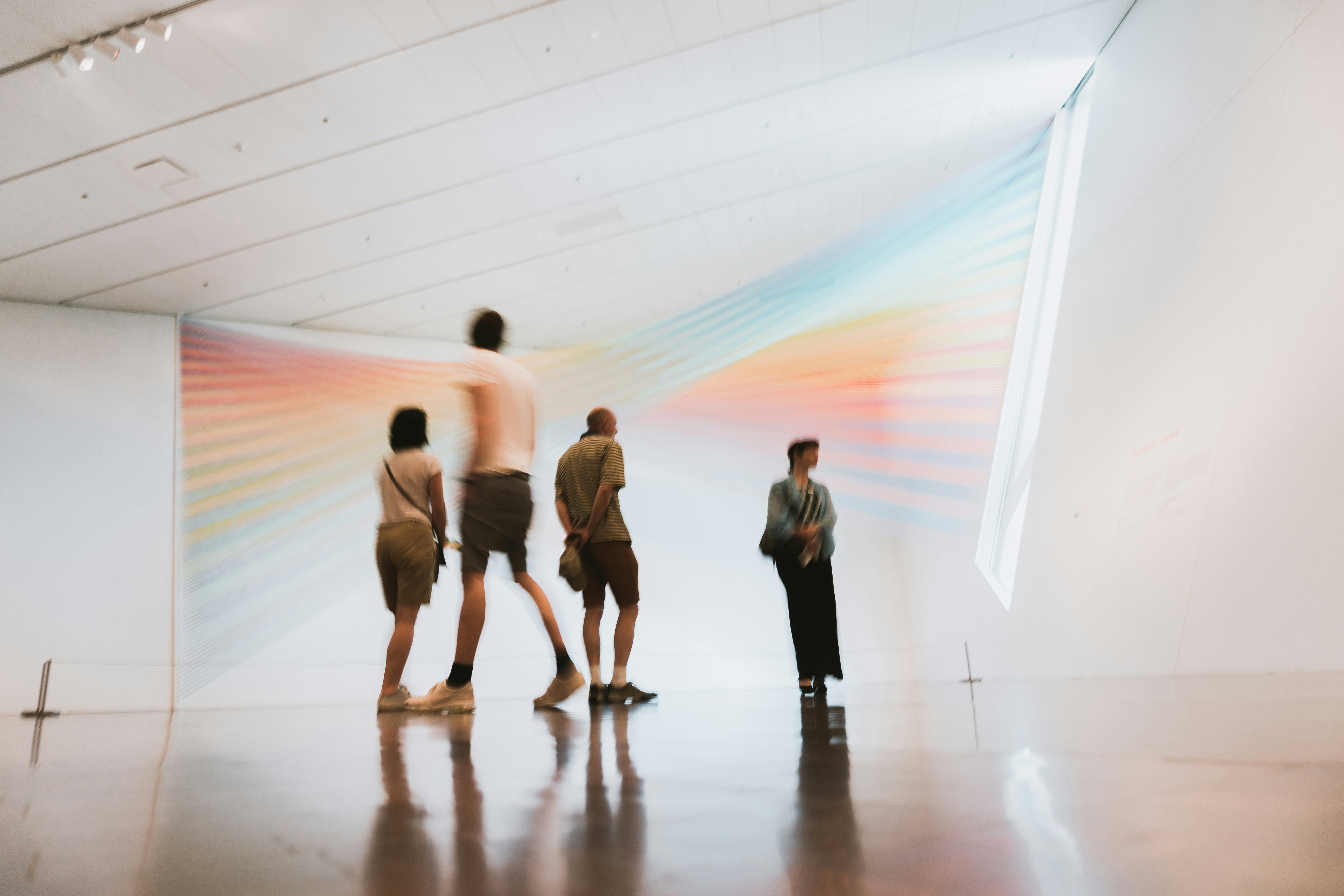
When stepping into an exhibition, it’s easy to be swayed by the press buzz or the status of the artist. Resist the temptation to let reputation color your judgment. Instead, start with what’s actually on the walls and how it’s made.
Focus on Craft and Composition
Get grounded in the fundamentals. Paying attention to how the work is constructed gives depth to your critiques.
Techniques: Is the artist using traditional methods, digital tools, or hybrid approaches? Are these choices effective?
Materials: Consider what the work is made of. Are the materials part of the message? Sustainable, found, or unconventional materials can reflect deeper meanings.
Scale: Does the size of the work impact its message? A small but intricate drawing may feel more intimate; a massive sculpture might dominate the room for a reason.
Dig Into the Emotional Core
Art doesn’t just speak it resonates. Taking time to consider your emotional or psychological response to key works helps deepen your interpretation.
Which works made you pause and why?
Were there moments of tension, discomfort, joy, or confusion?
Did any piece change your perspective or unsettle what you thought you knew?
Reflect on Your Own Responses
Your subjectivity is not a flaw it’s part of the process. Thoughtful reflection on your reactions strengthens your analysis.
What initially grabbed your attention? Color, form, movement?
Did any work fall short? If so, what was missing for you execution, coherence, originality?
Consider what lingered in your mind after leaving the space. That lingering response is often the exhibition’s quietest power.
Looking beyond the hype means trusting your eyes and your instincts while staying rooted in thoughtful observation.
Tie It to Larger Conversations
In 2026, cultural conversations are louder and sharper than ever and any serious art review has to acknowledge the world beyond the gallery walls. From global reckonings with climate displacement to continued calls for decolonizing institutions, artists aren’t creating in a vacuum. Exhibitions right now are either engaging with these themes or being questioned for ignoring them.
Take a cue from this year’s Venice Biennale, which foregrounded work tied to land rights, migration, and post colonial identity. Several major artists used natural materials and site specific installations to comment on disappearing habitats or indigenous sovereignty. This isn’t just art for art’s sake it’s commentary with skin in the game.
When reviewing a show, ask: does it reflect or resist the moment we’re in? A solo exhibition might seem apolitical at first glance, but materials, titles, or artist statements can reveal deeper positions. Meanwhile, group shows tackling gender or surveillance need more than a press release to back up their stance. The best exhibitions in 2026 are those that don’t posture they participate.
If the work echoes broader trends intersectional feminist critiques, the decentralization of artistic capital from the West, or tech’s psychological toll call it out. The point isn’t to force relevance, but to recognize when and how a show is part of something bigger.
Stay Balanced and Specific
It’s easy to drop words like “powerful” or “thought provoking” when describing an exhibition, but if you stop there, you’re not saying much. If a sculpture hit differently, say how was it the jagged steel that seemed to vibrate under fluorescent gallery lights? If a video installation felt tedious, don’t just shrug did the pacing drag, or did the message get lost in over explanation?
Honest critique doesn’t mean tearing a show apart. It means pinpointing where it works and where it doesn’t with details. If a political theme feels forced or undercooked, explain what part didn’t land. Was it the lack of personal narrative? The overly literal symbols? Say it. But also recognize intent: maybe the artist aimed for discomfort, not polish.
Balance is the goal. It’s fine to note when a work made you pause in the best way but back it up. Give your reader something they can picture and, ideally, feel themselves. That’s what pulls a review out of the forgettable pile and into something readers trust.
Wrap with Lasting Impressions
Once you’ve walked through the exhibition, absorbed its themes, and reflected on individual works, it’s time to zoom back out. This final section of your review is about drawing conclusions that contextualize the show and offering your personal take with purpose.
What Does the Exhibition Add to the Conversation?
Think beyond the details and ask:
Does the exhibition introduce a new perspective or reframe a familiar one?
Is it contributing to a larger cultural, political, or aesthetic conversation?
Are there ideas or approaches that should influence future curatorial projects or artistic practices?
For example, a show exploring digital identity may resonate deeply in an era shaped by AI and social media. Or a retrospective from a long overlooked artist might speak to recent dialogue around representation and historical omissions in art institutions.
Would You Recommend It?
Clearly state your stance:
Yes: If the exhibition is cohesive, thought provoking, and well executed, say so and share who it might especially resonate with (students, art professionals, casual viewers, etc.).
No, or With Reservations: If the show lacks clarity or misses its mark, be forthright. Critics earn trust by being fair but firm. Offer insight into what could have made it stronger.
This is not just a consumer recommendation it’s part of your critical role in shaping dialogue around the show.
Leave the Reader Thinking
A strong review does more than summarize. It poses questions the reader might not have considered. End with a thought or a question that lingers:
What does this show ask us to reconsider in art, history, or ourselves?
How might future exhibitions build on (or challenge) what this one presented?
In what unexpected way did this show stay with you after you left the gallery?
Final impressions should connect insight with curiosity. Give your reader something to carry forward.
 There is a specific skill involved in explaining something clearly — one that is completely separate from actually knowing the subject. Danielo Hawspheres has both. They has spent years working with inspiration and resources in a hands-on capacity, and an equal amount of time figuring out how to translate that experience into writing that people with different backgrounds can actually absorb and use.
Danielo tends to approach complex subjects — Inspiration and Resources, Artistic Trends and Insights, Cultural Art Events being good examples — by starting with what the reader already knows, then building outward from there rather than dropping them in the deep end. It sounds like a small thing. In practice it makes a significant difference in whether someone finishes the article or abandons it halfway through. They is also good at knowing when to stop — a surprisingly underrated skill. Some writers bury useful information under so many caveats and qualifications that the point disappears. Danielo knows where the point is and gets there without too many detours.
The practical effect of all this is that people who read Danielo's work tend to come away actually capable of doing something with it. Not just vaguely informed — actually capable. For a writer working in inspiration and resources, that is probably the best possible outcome, and it's the standard Danielo holds they's own work to.
There is a specific skill involved in explaining something clearly — one that is completely separate from actually knowing the subject. Danielo Hawspheres has both. They has spent years working with inspiration and resources in a hands-on capacity, and an equal amount of time figuring out how to translate that experience into writing that people with different backgrounds can actually absorb and use.
Danielo tends to approach complex subjects — Inspiration and Resources, Artistic Trends and Insights, Cultural Art Events being good examples — by starting with what the reader already knows, then building outward from there rather than dropping them in the deep end. It sounds like a small thing. In practice it makes a significant difference in whether someone finishes the article or abandons it halfway through. They is also good at knowing when to stop — a surprisingly underrated skill. Some writers bury useful information under so many caveats and qualifications that the point disappears. Danielo knows where the point is and gets there without too many detours.
The practical effect of all this is that people who read Danielo's work tend to come away actually capable of doing something with it. Not just vaguely informed — actually capable. For a writer working in inspiration and resources, that is probably the best possible outcome, and it's the standard Danielo holds they's own work to.