Why Texture Is More Than Just Surface
In 2026, texture isn’t background noise it’s narrative. In mixed media and collage art, texture quietly commands attention, shaping how stories are read and felt. When used well, it works like a visual undercurrent, pulling viewers into a piece before they even realize why.
Artists are leaning harder into layering and deliberate material choice to signal emotional tone. Rough burlap suggests grit. Torn paper hints at fragility. A glossy patch can feel like denial. It’s not just what’s on the surface it’s how many layers deep you’re willing to go. And that’s where story lives.
It also helps to understand the distinction between visual texture and tactile texture. Visual texture is how a surface looks scratched, soft, sharp whether or not the viewer can actually touch it. Tactile texture, on the other hand, is truly physical it pushes off the surface, catches light differently, and adds physical weight to your storytelling. Smart artists blur that line, mixing illusion and reality for more impact.
Texture matters because people feel before they think. In a feed full of flat images, something with rich, intentional texture can stop the scroll. That’s not trend chasing. That’s craft.
Core Materials That Add Impact
Texture doesn’t have to start at the art store. Some of the most compelling surfaces come from what’s already around you. Found objects rusted keys, old receipts, even dryer lint can add grit and meaning. Fabric scraps go beyond patchwork; frayed edges or sheer overlays can guide the eye and create depth. Recycled paper adds an honest, tactile rawness you can’t manufacture.
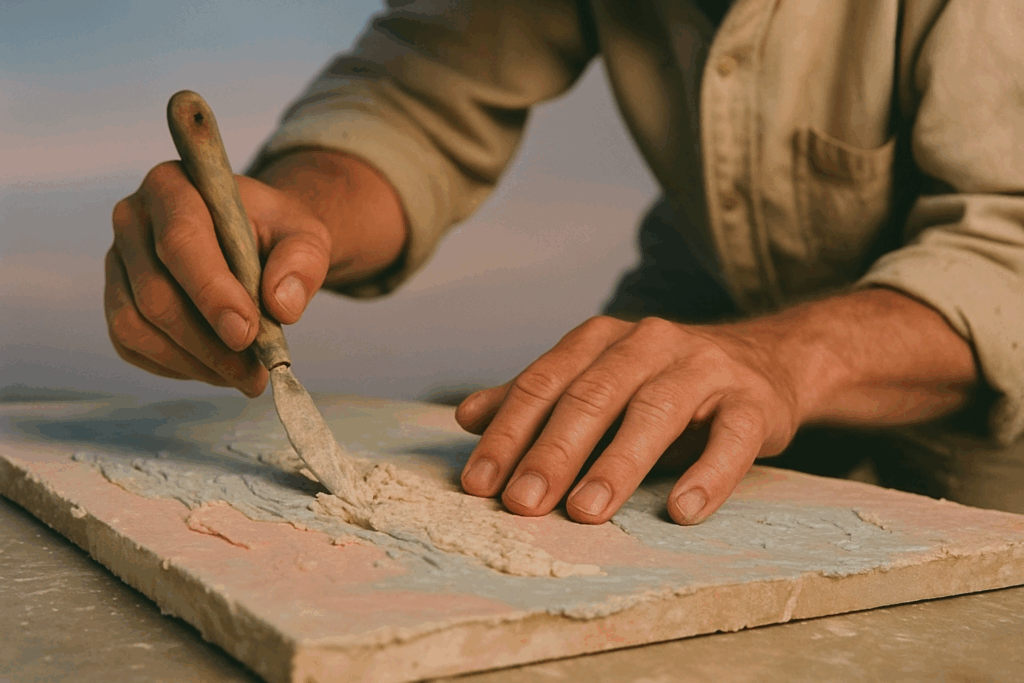
If you’re looking to build rather than layer, modeling paste and texture gels are your workhorses. Modeling paste creates elevation think sculpted ridgelines under paint. Gels can be mixed with pigment or applied clear for subtle surface grabs. Textured grounds do the prep work for you, giving paint something toothy to hold onto.
Then there’s the unconventional. Sand adds irregular resistance dry or wet, it asks viewers to linger. Corrugated cardboard brings in structure and topography with no extra effort. Thread becomes line and movement wrapped into a material. None of it’s fancy, but all of it works if you stay intentional. The point is simple: texture isn’t optional anymore it’s how your piece says what it needs to.
Techniques That Work (And Still Evolve)
Scraping, tearing, scoring, layering if you’re serious about texture, these are your fundamentals. They don’t require expensive tools. Just intention. Scraping can cut through uniformity and expose underlayers you forgot were even there. Tearing adds grit and edge. Scoring channels movement, sometimes subtly, sometimes with blunt force. And layering? That’s where you build rhythm. The trick isn’t doing all of them it’s knowing when to stop.
Controlled chaos is what separates a clumsy collage from a compelling piece. Restraint is your best texture tool. When every inch is screaming for attention, nothing lands. But when you leave breaks clean space, soft smudges, loosely held corners your statement gets sharper. Even ripped canvas feels deliberate when it’s backed by control.
Pair that tactile grit with color theory and something else clicks. Warm hues over jagged textures feel raw, personal. Cool tones layered with smooth fabric and sharp shadows evoke distance or stillness. Texture doesn’t just look a certain way it feels like what the color’s trying to say. The strongest pieces aren’t overloaded. They’re aligned.
In short: let your process stay imperfect, but know what each move accomplishes. Texture is how feeling becomes form. And that matters more than polish.
Composition Tips for Balance and Flow
Texture can be a visual powerhouse but without thoughtful composition, it can quickly become overwhelming. The key lies in using texture intentionally to complement your overall design, guide the viewer’s eye, and create areas of rest.
Make Texture Purposeful, Not Distracting
When working with mixed media, it’s easy to get carried away layering one texture over another. But more isn’t always more.
Choose one or two dominant textures per piece
Repeat or echo textures in key areas to build cohesion
Avoid introducing heavy texture in every corner leave room for contrast
Use Texture to Anchor Focal Points
Texture can help emphasize focal points if used strategically.
Place tactile elements near or behind your main subject to draw attention
Gradually reduce texture intensity as you move outward from focal zones
Use transitions (such as softened edges or blended materials) to connect textured and smooth areas
Balance Texture with Negative Space
Negative space acts as a visual buffer, giving textured areas room to breathe.
Leave portions of your canvas or base material unworked for contrast
Use calm areas to lead viewers through a dense composition
Remember: space isn’t empty it’s intentional silence in your visual language
Related Resource
For more on how contrast and depth can shape your work, read: Using Light and Shadow for Dramatic Artistic Effect
Tools to Try in 2026
Not all textures are made from the mess. Some are built with precision and the right tools make a difference. Texture making brushes come in all shapes, from stiff bristles that drag heavy gel across surfaces to rubber combs that leave valleys behind. Painting knives? They’re more than palette spreaders. Use them to carve, push, or even scrape in layers of physical narrative. And roller stamps are the stealth heroes roll them over wet media or paper pulp to create fast, repeatable grooves.
Hand tools like embossing styluses, blunt awls, or even old toothbrushes let you break from the predictable. You can press, stamp, or even gouge if needed. These slow, hands on methods give your work that tactile, lived in feel not just something viewers see, but something they feel by eye.
Technology is stepping up too. Cutting machines like Cricut and Silhouette let you pre plan complex shapes or stencils, speeding up the groundwork without killing spontaneity. And if you’ve got access to a laser etcher, that’s next level control. Burn pattern into wood or thick paper, pre score layers for folds, or even simulate brush textures in repeated tile. It’s still your art just more options to build with.
The goal isn’t more gear. It’s expanding what your surface can say.
Keeping the Work Stable Over Time
Let’s talk glue. Not just any glue adhesives that actually last. Mixed media work is rarely flat, and the wrong adhesive will betray you over time. Go for archival quality options: acid free gel mediums, pH neutral glues, or even conservation grade tapes. If it’s yellowing or cracking six months in, it wasn’t worth the shortcut.
When sealing mixed materials, the goal is durability without killing depth. Brushing matte medium too thickly can crush lighter textures or mute contrast. Spray varnishes can preserve surface tension better but always test first. For layered pieces, consider sealing in stages: fix delicate top layers last, and let each one cure properly.
Archival stability also means future proofing. No one wants their corrugated cardboard centerpiece peeling off in a couple of years. Store finished pieces away from direct sun, moisture, and heat swings. Avoid adhesives loaded with solvents or rubber cement type products they get brittle, they warp, they lift. If you’re treating an artwork like it’s meant to outlive you, your choices have to reflect that.
Daily Habits for a Textural Mindset
Staying sharp as a mixed media artist means staying in practice and not just when you’re actively working on big pieces. It’s about small, repeatable habits that push your eye and hand to notice more, feel more, and take creative risks.
Start with texture swatch books. These don’t need to be pretty they just need to be real. Use scraps and leftovers to catalog how different materials layer, react to glue, or behave under pressure. Over time, that collection becomes less of a scrapbook and more of a field guide to your own creative instincts.
Next: narrow your palette. Working with limited colors forces your textures to carry more of the load. You begin to rely on light, depth, and contrast instead of pigment variety. It’s uncomfortable at first. That’s the point. It sharpens your artistic edge.
Finally, give yourself micro challenges like building something around a single found object. A rusted washer, a bottle cap, a broken chain. Set a timer. Build fast. These exercises cut through perfectionism and train your brain to connect texture and story without overthinking it.
Practice doesn’t always look like practice. Sometimes it’s messy, improvised, and grounded in the smallest things but it adds up. Fast.
Moving Forward as a Mixed Media Artist
At some point, you have to throw out the rulebook. Texture isn’t just another box to tick it’s a place to take risks. When you stop trying to make things pretty or polished, that’s when interesting work surfaces. Try adding materials that don’t belong. Scratch into the surface even if it feels wrong. Build bulk where the eye expects smoothness. This is how you push beyond safety.
Texture brings tension. Accept it. Lean into it. That edge between too much and not enough is where your point of view starts showing up. The line between chaos and intention is thin, but that space is gold. It’s okay for viewers to feel slightly uncomfortable; it means they’re paying attention.
Over time, your experiments will turn into habits. You’ll start to notice textures you return to, techniques that anchor your work. Maybe you layer mesh over ink, or always press in palm sized found objects. Whatever it is, that repeated textural language becomes your fingerprint a personal “texture vocabulary” that speaks louder than subject matter alone.
This part takes time. But it’s the part that makes you an artist, not just a hobbyist.