
The Power of Cultural Intersection
Multicultural experiences run deeper than just surface inspiration they shape and transform how an artist sees, thinks, and creates. When an artist grows up living between cultures or relocates to a new cultural environment, their exposure to different ways of seeing the world becomes a core part of their visual language.
Creating Between Cultures
An artist influenced by more than one culture often acts as both:
Observer: Picking up on aesthetics, materials, and symbols unfamiliar to them
Participant: Embracing lived experiences that shape their creative instincts from within
This unique dual perspective allows an artist to develop a voice that feels simultaneously personal and global. They are constantly navigating new contexts, leading to innovation born from juxtaposition.
A Fusion of Aesthetics and Histories
Cross cultural exposure encourages artists to blend and bend the rules of traditional style:
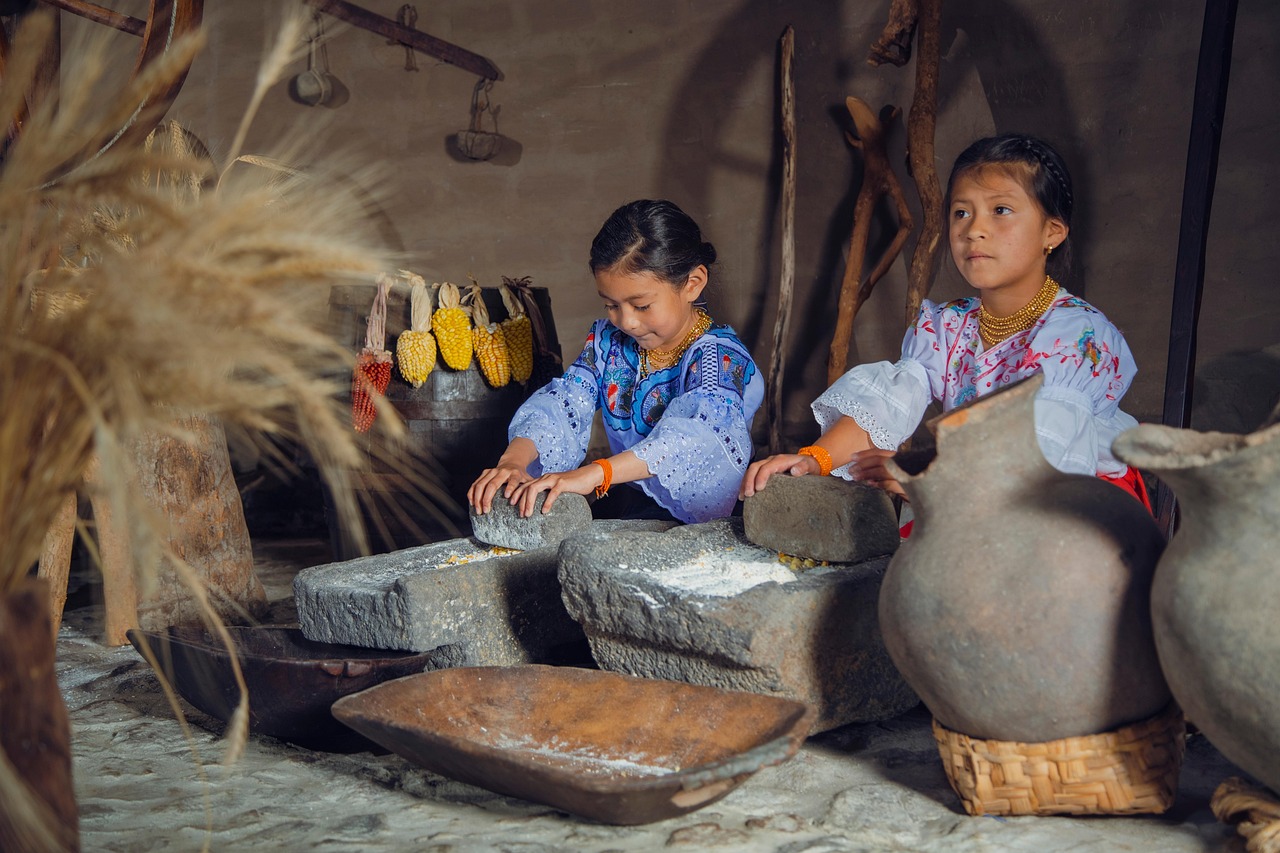
Mixing indigenous motifs with modern design sensibilities
Borrowing color palettes from one tradition and materials from another
Referencing both ancestral memory and contemporary life
As a result, cultural boundaries in art begin to dissolve, leading to hybrid forms that speak to the complexity of identity in a globalized world.
Visual storytelling becomes more layered, more nuanced ultimately, more human.
Visual Language Beyond Borders
For artists navigating multiple cultural identities, heritage is both a compass and a canvas. The symbols they use motifs from folk textiles, ancestral myths, architectural forms don’t just show up as decoration. They evolve. A Ghanaian Adinkra symbol might surface in digital glitch art. Traditional Chinese ink techniques might bleed into street style murals. These evolutions aren’t accidents; they’re intentional translations, shaped by where an artist stands and what they’ve absorbed.
Working across cultures means wielding a double palette. One foot in tradition, the other in reinvention. Indigenous dyes meet industrial spray paint. Earth tones from home landscapes bump up against high contrast urban hues. Materials carry meaning woven, stitched, carved, layered and when you mix those with forms absorbed abroad, something entirely fresh takes shape.
There’s risk here. You’re not just painting; you’re building a bridge between past and present, here and there. Missteps can feel like erasure. Or worse, like self exoticism. But when it clicks, the result is work that’s fiercely individual. It speaks in a hybrid tongue one that resonates in ways pure tradition or pure modernism can’t always reach.
Case Studies: Artists Blending Cultures
Some of the most compelling contemporary painters today are those who carry multiple homelands within them. Artists like Reem Al Farsi, born in Muscat and raised in Marseille, fuse Islamic geometric patterns with graffiti inspired strokes. Her canvases feel like a city street layered over centuries of heritage. Then there’s Daniel Okoye, who splits his life between Lagos and Berlin his work often combines Yoruba spiritual motifs with stark Bauhaus minimalism. It shouldn’t work, but it does. That tension becomes the point.
Their paintings act as maps of memory, migration, and adaptation. They tell stories about belonging sometimes fragmented, sometimes defiant, often unresolved. These aren’t just stylistic mashups; they’re evidence of cultural navigation made visible. Patterns clash, colors collide, and something personal emerges in the middle.
You can see these dynamics in motion at our current painting exhibit, where a range of artists explore how cultural identity shifts across borders. Their work speaks clearly, even when the language is layered.
Identity as Medium
For many cross cultural artists, painting isn’t just a creative act it’s a form of record keeping. Artwork becomes a personal archive, where language, memories, and family rituals live on in gesture and pigment. A grandmother’s embroidery pattern shows up in a brushstroke. An old proverb hides in a layered composition. It’s a way of preserving culture not with words, but with visuals that speak across time.
But the process isn’t clean. There’s a constant tug of war between staying true to one’s origins and adapting to the norms of a dominant culture. Artists often ask themselves, “Does this feel authentic, or am I filtering myself to fit in?” Style becomes the battleground. Do you lean into traditional motifs, or reinterpret them through contemporary lenses? Every choice is a negotiation.
Living and creating “between worlds” demands both resilience and self awareness. The best work doesn’t pick sides it bridges them. These paintings don’t just reflect identity; they construct it, piece by piece, in a visual language that’s entirely their own.
Why It Matters in Today’s Art World
Culturally layered art isn’t just trending it’s resonating. Global audiences are tuning in to voices that blend influences and complicate the old definitions of identity. Work that pulls from multiple cultural sources feels more alive, more real. In a flat, hyperconnected world, people crave complexity that reflects their own layered selves.
This kind of art doesn’t just decorate; it disrupts. Cross cultural perspectives challenge the Eurocentric canon, unsettle tidy historical narratives, and open new space for dialogue. A painting becomes more than image it’s a statement, a fusion, sometimes even a reckoning.
Collectors and curators are paying attention. They’re not just looking for technical skill or name recognition anymore; they’re searching for work that carries lived experience. Artists with blended backgrounds bring with them inherited tradition, chosen identity, and the friction between the two. That tension makes for bold, necessary work.
You can see this in action at our latest painting exhibit, where cross cultural voices take center stage and redefine what the center even is.
Moving the Conversation Forward
When cultures intersect in art, lines can blur quickly especially between appreciation and appropriation. The problem starts when context is stripped away. Borrowing elements from another culture without understanding the weight behind them turns inspiration into erasure. That’s not just bad form it’s lazy art. On the flip side, cultural appreciation looks like deep listening, informed collaboration, and giving credit where it’s due.
Institutions museums, galleries, universities have a real role to play here. Not just in showcasing cross cultural work, but in shaping how audiences read and respect it. Representation isn’t about ticking boxes. It’s about letting artists define themselves, and about making space for nuance instead of reducing identity to symbols.
Understanding context changes the entire experience of art. It sharpens our eye, keeps us honest, reminds us that no piece of work exists in a vacuum. The more we know about where an artist comes from geographically, culturally, personally the more fully we can see what they’re really saying. And in a globalized world, that kind of clarity isn’t just helpful it’s essential.
 There is a specific skill involved in explaining something clearly — one that is completely separate from actually knowing the subject. Caroline Norfleeters has both. They has spent years working with artist spotlight features in a hands-on capacity, and an equal amount of time figuring out how to translate that experience into writing that people with different backgrounds can actually absorb and use.
Caroline tends to approach complex subjects — Artist Spotlight Features, Cultural Art Events, Gallery Exhibitions and Reviews being good examples — by starting with what the reader already knows, then building outward from there rather than dropping them in the deep end. It sounds like a small thing. In practice it makes a significant difference in whether someone finishes the article or abandons it halfway through. They is also good at knowing when to stop — a surprisingly underrated skill. Some writers bury useful information under so many caveats and qualifications that the point disappears. Caroline knows where the point is and gets there without too many detours.
The practical effect of all this is that people who read Caroline's work tend to come away actually capable of doing something with it. Not just vaguely informed — actually capable. For a writer working in artist spotlight features, that is probably the best possible outcome, and it's the standard Caroline holds they's own work to.
There is a specific skill involved in explaining something clearly — one that is completely separate from actually knowing the subject. Caroline Norfleeters has both. They has spent years working with artist spotlight features in a hands-on capacity, and an equal amount of time figuring out how to translate that experience into writing that people with different backgrounds can actually absorb and use.
Caroline tends to approach complex subjects — Artist Spotlight Features, Cultural Art Events, Gallery Exhibitions and Reviews being good examples — by starting with what the reader already knows, then building outward from there rather than dropping them in the deep end. It sounds like a small thing. In practice it makes a significant difference in whether someone finishes the article or abandons it halfway through. They is also good at knowing when to stop — a surprisingly underrated skill. Some writers bury useful information under so many caveats and qualifications that the point disappears. Caroline knows where the point is and gets there without too many detours.
The practical effect of all this is that people who read Caroline's work tend to come away actually capable of doing something with it. Not just vaguely informed — actually capable. For a writer working in artist spotlight features, that is probably the best possible outcome, and it's the standard Caroline holds they's own work to.