
The Role of Critique in Oil Painting Exhibitions
Critique, when it’s done right, isn’t just about the painting it’s a reflection of the person doing the looking. A detailed analysis of brushwork or composition reveals something about the artist’s effort, sure. But it also exposes what the viewer brings to the canvas: their tastes, biases, and expectations. Honest critique becomes a mirror. The work speaks, and so does the watcher.
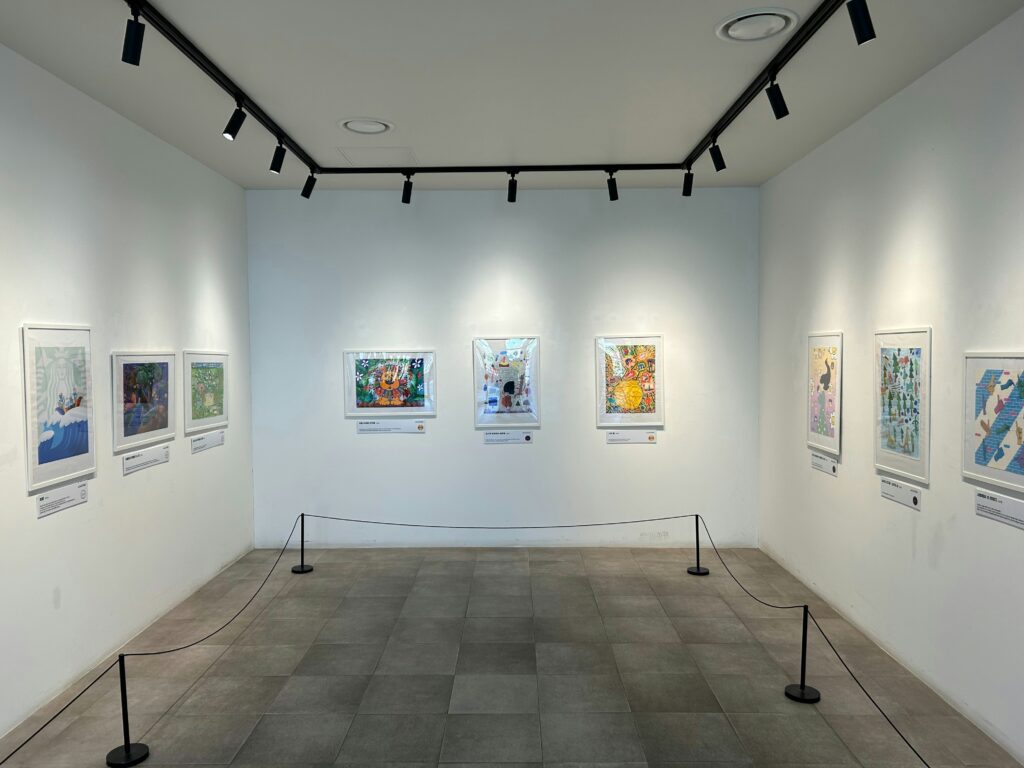
So, it makes sense that oil painting showcases stir reactions across the spectrum. Praise comes easy when a piece resonates emotionally or shows technical finesse. But provocation? That’s part of the deal too. Strong work challenges norms, triggers discomfort, or breaks with tradition altogether. In a gallery setting, tension is often a sign something’s working.
And then there’s the split between surface level opinion and true critique. One is quick “I like it” or “not my style.” The other digs. Informed critique comes from trained eyes or curious minds who’ve studied the craft. It offers context, not just reaction. In an era of instant takes, the value of slow looking voices can’t be overstated. They keep the conversation honest.
What Critics Actually Look For
Technique wins nods. Emotion wins memory. The strongest oil paintings don’t lean too heavily on either they hold the line between precision and feeling. Critics know when a brushstroke is too careful to matter, or when a raw emotion spills out before the painter has earned it. The work needs both control and risk.
Under the microscope, everything matters: the way light dances across a scene, the color relationships that pull the eye or quiet it, the composition that either opens up a narrative or boxes it in. Critics don’t just react to the finished painting they read it. They watch how artists use centuries old tools with a sharp eye for something new.
This is where innovation sneaks in. Many of today’s oil painters aren’t blowing up tradition; they’re bending it. Baroque lighting in a punk club interior. Renaissance form with street style swagger. Critics notice not just what’s fresh, but how artists honor the past without copying it. Done right, it’s homage with edge. And that’s where the impact hits not loud, but lasting.
Patterns Critiques Help Uncover
Look closely at the critiques piling up around oil painting exhibitions, and a pattern emerges: many of the works that draw consistent praise tap into universal, recurring themes. Memory. Solitude. Resilience. Nature’s duality. These aren’t new, but their staying power says something about what viewers return for work that reflects not just the artist, but something human and shared.
Stylistically, oil painting has seen slow but steady shifts. What was once dominated by rigid realism evolved into looser interpretation, even bordering abstraction. Today, there’s a pull back toward precision but not without purpose. Artists are rehoning technical craft to serve layered, personal stories. You see light used not just to illuminate a scene, but to signal emotional tone. Color palettes now match mood instead of just mimicking nature.
Then there’s the quiet rise of narrative driven oil painting. These are not simple portraits or landscapes. They’re scenes heavy with implication like a family dinner table where no one looks at each other, or a single empty chair in a lush forest. Viewers lean in. Ask questions. Build their own stories. In this space, critics point not only to brushwork but to storytelling. And that’s where the work resonates deepest: not just what you see on canvas, but what lingers when you walk away.
How Artists Evolve Through Critical Feedback
Not all feedback is gold. Part of being an artist is learning to separate what sharpens your edge from what dulls it. Critical feedback can push your work forward but only if it’s coming from someone who understands the craft or engages your work with honest curiosity. That means being open to dialogue and just as importantly, knowing when to politely ignore the noise.
Some artists learn this the hard way. Take Lena M., whose early figurative pieces got hammered for being ‘too cold.’ Instead of doubling down or folding, she changed how she staged light on skin tones. Her more recent work feels intimate without losing her intentional restraint, and it’s now finding its way into major shows. Or consider Ajay R. his abstract pieces used to confuse viewers. After a string of tough critiques, he reexamined his pacing and color palette, and suddenly, the confusion turned into fascination.
Exhibitions aren’t just display windows they’re test grounds. What people stop to stare at, what they skip, what gets posted or whispered about it’s all data. The best artists tune in carefully. Sometimes, it’s a compositional tweak. Sometimes, it shifts your entire direction.
Want to see how this plays out in real time? The Arcachdir oil paint exhibition offers a prime snapshot. It’s full of work that’s clearly been shaped by responsive, iterative practice. You can trace how certain pieces have matured not because the artist played it safe, but because they listened with purpose, then painted forward.
Gatekeepers vs. Explorers: Who’s Offering Critique?
Critique used to come from a short list of people curators in tailored jackets, art historians with deep archives, and practicing artists who speak from the brush. These traditional voices brought sharp tools to the table: context, training, a sense of continuity. Their feedback could sting, but it held weight.
Now, online voices crowd the space. TikTok reviews. Instagram commentaries. YouTube breakdowns by creators with no formal background but massive audiences. The result? A tension between authority and accessibility. One side offers depth; the other, reach.
This shift has pulled open the gates and let in more air. Artists get quicker exposure, diverse takes, and everyday viewers joining the conversation. But it’s not all upside. The sheer volume of opinions can drown insight in noise. What looked like open dialogue starts to feel like content overload.
The line between honest critique and digital performance is thinner than ever. Still, there’s something valuable in the chaos an evolving landscape where power is diffused, and anyone might offer the insight that changes how the work is seen.
The Audience’s Voice in Review Culture
When it comes to which works get remembered, it’s not just the critics who cast judgment it’s the crowd. Public opinion often decides what floats above the noise and what quietly fades, especially in the context of oil painting exhibitions. A piece doesn’t need critical praise to survive; it needs visibility, felt connection, and conversation. Sometimes, a single viral photo or a shared story behind a brushstroke can outlast years of gallery praise.
But there’s a tricky line between genuine engagement and chasing what’s trending. When artists start creating with algorithms in mind short captions, share friendly visuals, hashtags over substance the work risks losing its core. Real audience connection happens when art speaks honestly and viewers respond because it meant something, not because it fit neatly into their feed.
Still, the viewers play their role. Comments, reposts, debates over meaning this is art criticism, too. It’s messy, opinionated, mostly untrained, and totally valid. The modern exhibition exists in two spaces: the gallery and the scroll. Artists, curators, and audiences have to learn to navigate both.
Take a look at how this oil paint exhibition leans into this duality welcoming critique from highbrow institutions and everyday viewers alike. It’s not always clean, but that’s the point. Art doesn’t live in a vacuum anymore. It lives where the people are.
Final Word on Feedback
Critique Isn’t the Enemy It’s Part of the Medium
Criticism often carries a negative connotation, but in the world of oil painting showcases, it serves a much deeper function. Constructive critique is not an attack it’s a catalyst. It challenges artists to refine, rethink, and reengage with their work. By approaching critique as a tool rather than a threat, creators can harness external insight for personal growth.
Thoughtful critique reveals blind spots and strengths
Feedback from diverse perspectives expands artistic understanding
A strong body of criticism can validate risks and experimentation
Growth Happens Between Strokes, Shows, and Shared Words
Art doesn’t develop solely on the canvas. True growth lives in the in between moments after an exhibition, in post show conversations, and during reflective reviews. Showcases become milestones in an artist’s evolving narrative.
Each exhibit becomes a touchpoint for creative progress
Shared critiques often spark new directions and ideas
Reflection is as important as execution
Artists Enter a Dialogue Not Just a Display
To exhibit art is to enter a conversation. The audience, critics, fellow artists, and curators all bring their voices to the showcase. Presenting a piece isn’t just declaring a vision it’s starting a dialogue. Those who listen, adapt, and respond tend to experience deeper artistic evolution.
Exhibitions are ongoing conversations between artist and audience
Response from viewers reshapes how work is understood
Longevity in the art world often hinges on this open exchange
 Zyphren Kryndall is the kind of writer who genuinely cannot publish something without checking it twice. Maybe three times. They came to inspiration and resources through years of hands-on work rather than theory, which means the things they writes about — Inspiration and Resources, Creative Techniques and Tutorials, Gallery Exhibitions and Reviews, among other areas — are things they has actually tested, questioned, and revised opinions on more than once.
That shows in the work. Zyphren's pieces tend to go a level deeper than most. Not in a way that becomes unreadable, but in a way that makes you realize you'd been missing something important. They has a habit of finding the detail that everybody else glosses over and making it the center of the story — which sounds simple, but takes a rare combination of curiosity and patience to pull off consistently. The writing never feels rushed. It feels like someone who sat with the subject long enough to actually understand it.
Outside of specific topics, what Zyphren cares about most is whether the reader walks away with something useful. Not impressed. Not entertained. Useful. That's a harder bar to clear than it sounds, and they clears it more often than not — which is why readers tend to remember Zyphren's articles long after they've forgotten the headline.
Zyphren Kryndall is the kind of writer who genuinely cannot publish something without checking it twice. Maybe three times. They came to inspiration and resources through years of hands-on work rather than theory, which means the things they writes about — Inspiration and Resources, Creative Techniques and Tutorials, Gallery Exhibitions and Reviews, among other areas — are things they has actually tested, questioned, and revised opinions on more than once.
That shows in the work. Zyphren's pieces tend to go a level deeper than most. Not in a way that becomes unreadable, but in a way that makes you realize you'd been missing something important. They has a habit of finding the detail that everybody else glosses over and making it the center of the story — which sounds simple, but takes a rare combination of curiosity and patience to pull off consistently. The writing never feels rushed. It feels like someone who sat with the subject long enough to actually understand it.
Outside of specific topics, what Zyphren cares about most is whether the reader walks away with something useful. Not impressed. Not entertained. Useful. That's a harder bar to clear than it sounds, and they clears it more often than not — which is why readers tend to remember Zyphren's articles long after they've forgotten the headline.