Why Community Matters in Indigenous Art
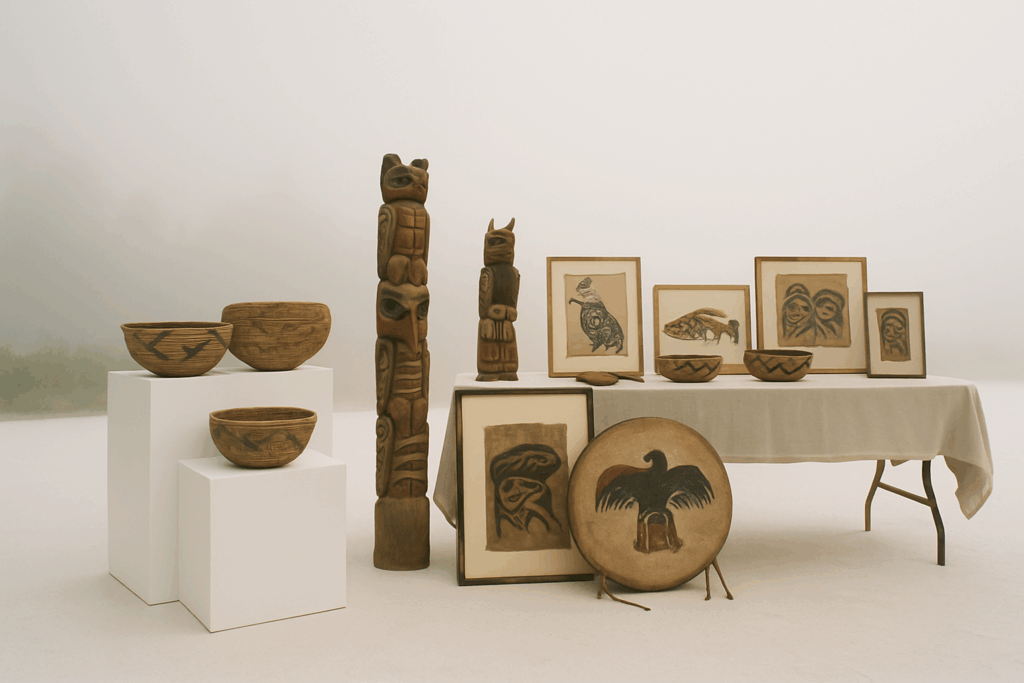
Indigenous art isn’t static. It’s not something that gets tucked away behind glass and only spoken of in past tense. It’s alive moving through generations, shifting with language, land, and lived experience. It tells stories the history books didn’t bother to write. In this way, Indigenous art becomes a living cultural archive, one that’s more oral, more visual, and infinitely more personal than any paper record can capture.
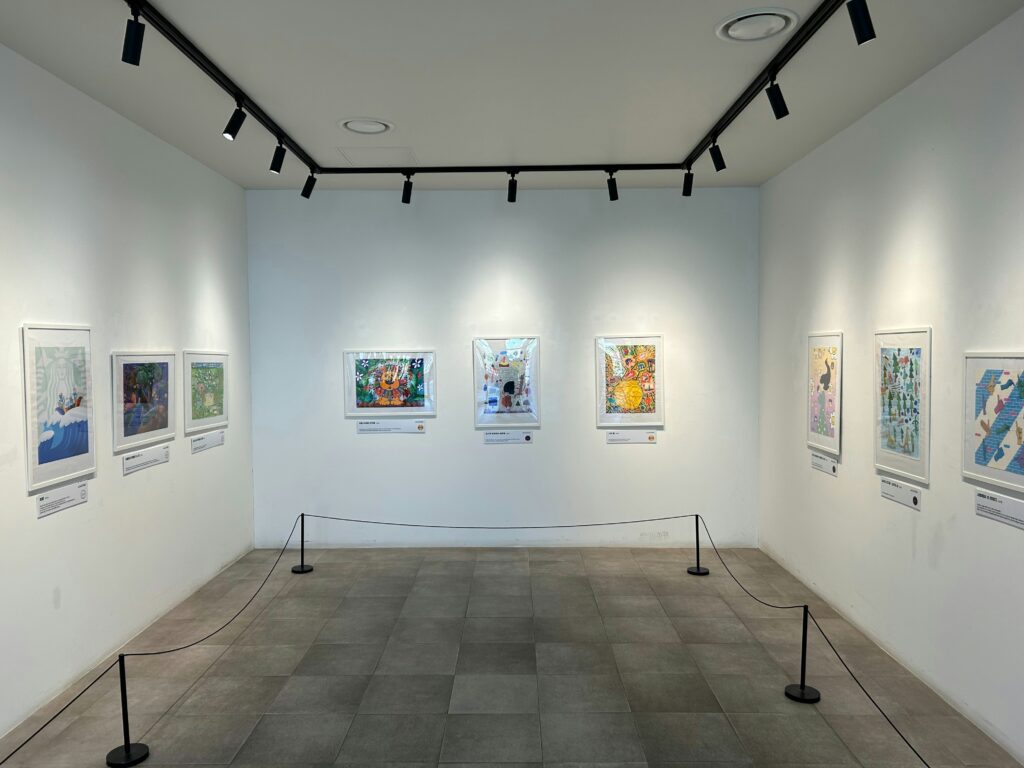
Shared spaces like galleries, community centers, and even outdoor installations matter because they hold this archive in the open. These aren’t neutral locations. They’re gathering points where memory, identity, and creativity converge. When Indigenous communities lead how their art is shown who speaks, what’s shared, and why it moves beyond display. It becomes preservation with a pulse.
That’s where community driven exhibits shift the narrative. Instead of waiting to be included in mainstream programs, Indigenous artists and curators are creating and controlling their own platforms. They’re not asking for visibility they’re building it. And they’re doing it with purpose: to reconnect youth with tradition, to make space for new stories, and to assert that Indigenous voices aren’t relics. They’re present, vital, and future facing.
Exhibits That Do More Than Display
In 2026, we’re seeing Indigenous led exhibits that go beyond static visuals and passive viewing. These are interactive installations built to teach rooted in lived experience and cultural continuity. Viewers aren’t just observers; they become participants in a story that’s still unfolding.
Take “Echoes Through Birch,” a traveling installation curated by the Anishinaabe collective Mino Miikana. Visitors move through tree shaped audio chambers that retell ancestral stories in both English and Anishinaabemowin. You don’t just listen you navigate sound, scent, temperature. It’s immersive, but also educational, offering contextual layers about land rights, family lineage, and seasonal cycles.
Then there’s “Woven Signals,” a digital weaving project led by Māori curator Hana Te Rangi. It fuses handwoven textiles with motion sensors and projection mapping. As people walk by, traditional patterns digitally evolve. Each visitor’s presence reactivates the thread of a story connecting ancient weaving techniques with data symbolism and digital landscapes.
These kinds of exhibits aren’t bells and whistles. They’re extensions of knowledge systems that always thrived on interaction. Contemporary tech isn’t replacing Indigenous methods it’s being folded into them. And the result is a new kind of museum space: one where the past breathes, teaches, and adapts in real time.
The Power of Local Participation
Community at the Heart of Storytelling
In Indigenous community exhibits, the creative process is often as important as the final showcase. These exhibits thrive when elders, youth, and artists come together to shape narratives rooted in collective memory and lived experience. Their collaboration ensures the art reflects not just individual expression, but a vibrant cultural continuum.
Elders offer historical memory, language preservation, and traditional knowledge
Youth contribute fresh perspectives, multimedia fluency, and evolving identities
Artists bridge generations, interpreting cultural truths with creativity and respect
Consent, Co Creation, and Shared Ownership
True community exhibits are not curated in isolation. Indigenous led initiatives prioritize consultation and collaboration with community members from the beginning. This co creation model ensures the narrative reflects the values, histories, and consent of those represented.
Exhibits begin with open dialogue not assumptions
Creation is iterative, involving interviews, workshops, and feedback loops
Displayed works reflect mutual agreement and cultural protocol
Representation vs. Involvement
There’s a critical difference between being represented and being actively involved. Token inclusion may tick a box but it fails to empower. Community centric exhibits emphasize invitation, input, and ongoing engagement throughout the creative journey.
Representation may show a culture from the outside
Involvement invites people to lead the way in their own storytelling
Explore more: How Local Art Walks Strengthen Cultural Engagement
When Indigenous communities lead the conversation, exhibits become more than cultural displays they become platforms of sovereignty, learning, and connection.
Building Bridges, Not Showcases
Exhibits of Indigenous art are moving beyond quiet appreciation and into something more active: cultural exchange. These aren’t rooms where you just look and move on. They’re spaces built for dialogue about identity, history, and the present. It’s about learning with, not just learning from.
For non Indigenous audiences, this means stepping into the space with respect, not curiosity alone. Ask better questions. Don’t just read the placard listen when artists and community members speak, whether in gallery talks or through the work itself. Attend with the intention to understand, not collect.
Stories embedded in craft, bits of language woven into audio guides, or materials sourced from ancestral land these are all invitations. Accept them thoughtfully. Conversations may start with a map or a weaving, but they don’t end there. They’re an open door to deeper awareness, and maybe, accountability too.
Looking Ahead in 2026 and Beyond
Support for Indigenous art is gaining momentum not just from governments, but from community led initiatives that often do more with less. Where it’s working best, you’ll find collaboration over control. Programs in regions like British Columbia, Aotearoa, and parts of Scandinavia are giving decision making power to Indigenous artists and councils. Instead of filtering tradition through a colonial lens, they’re funding culture on its own terms.
Technology continues to shape what’s possible. Virtual exhibits now reach communities who, for decades, were left out by geography. Language preservation tools and 3D archiving of carvings, beadwork, and textiles are making cultural memory harder to erase. It’s not just about access it’s about creative autonomy. Indigenous creators are using new tech not as shortcuts, but as vessels that carry ancestral ideas into future contexts.
And the future is signaling a shift from one off “showcase” events to lasting, integrated models. Upcoming Indigenous led exhibits in Winnipeg, Oaxaca, and western Australia aren’t just themed around identity they’re organized and narrated by the communities themselves. They serve as long term platforms, not token milestones. Community driven art in 2026 doesn’t ask for permission. It holds the mic.
What We Can All Take Away
Cultural storytelling especially through Indigenous art is not a spectator sport. It’s a shared responsibility. That means showing up, yes, but it also means stepping up: funding what matters, amplifying artists’ voices when they choose to share them, and most importantly, listening without trying to steer the narrative.
Support doesn’t stop at the exhibit door. It happens in who gets platformed, whose work is preserved, and how stories are carried forward. If all we do is attend, snap a photo, and walk out we’re missing both the purpose and the point.
Indigenous art isn’t trending. It’s not here for fifteen minutes of visibility before the next wave rolls through. It’s continuation. It’s protest. It’s healing. And it operates on its own terms. The ask is simple, but not always easy: respect the complexity, support the process, and understand that cultural storytelling isn’t something you consume. It’s something you’re invited to walk with.