What Makes Regional Art Shows Stand Out
Regional art showcases aren’t trying to fit into a global algorithm they’re focused on something tighter, realer. These are platforms built from the ground up, often by artists and curators who live in the same town as the people walking through their doors. Community isn’t just a buzzword here; it’s baked into the lineup, the venues, the conversations.
You’ll see new faces developing their voice alongside veteran artists who’ve been working for decades. No big city gloss. Just raw, place specific perspective that hits different. Whether it’s mixed media pieces exploring local land history or textile work rooted in cultural tradition, this is the kind of art that rarely makes it into the mainstream but deserves to. It’s not always polished, but that’s the point. It’s honest.
These shows tap into a kind of regional truth something that feels grounded, even when the mediums evolve. And in a landscape saturated with digital sameness, that honesty matters.
The Role of Regional Galleries
Regional galleries aren’t just exhibition halls they’re anchors for identity. These spaces hold the line for aesthetic traditions that don’t fit slick, big city tastes. Whether it’s brushwork rooted in folkcraft or experimental formats driven by local materials, the point isn’t trend following. It’s representation art that speaks from, and to, a community.
Curators in these spaces aren’t just hanging pretty canvases. They’re embedding narratives. That might mean spotlighting Indigenous perspectives, elevating immigrant histories, or pulling inspiration from local legends and sites. It’s a process not just of selection, but of translation. The best ones are quiet collaborators with historians, educators, and working artists who know the ground they’re standing on.
This isn’t about nostalgia. It’s about building future art scenes that have roots. For a sharp look at this model in action, visit the regional works gallery. It sets the bar for what thoughtful, community driven curation can look like in practice.
Evolving Themes and Mediums
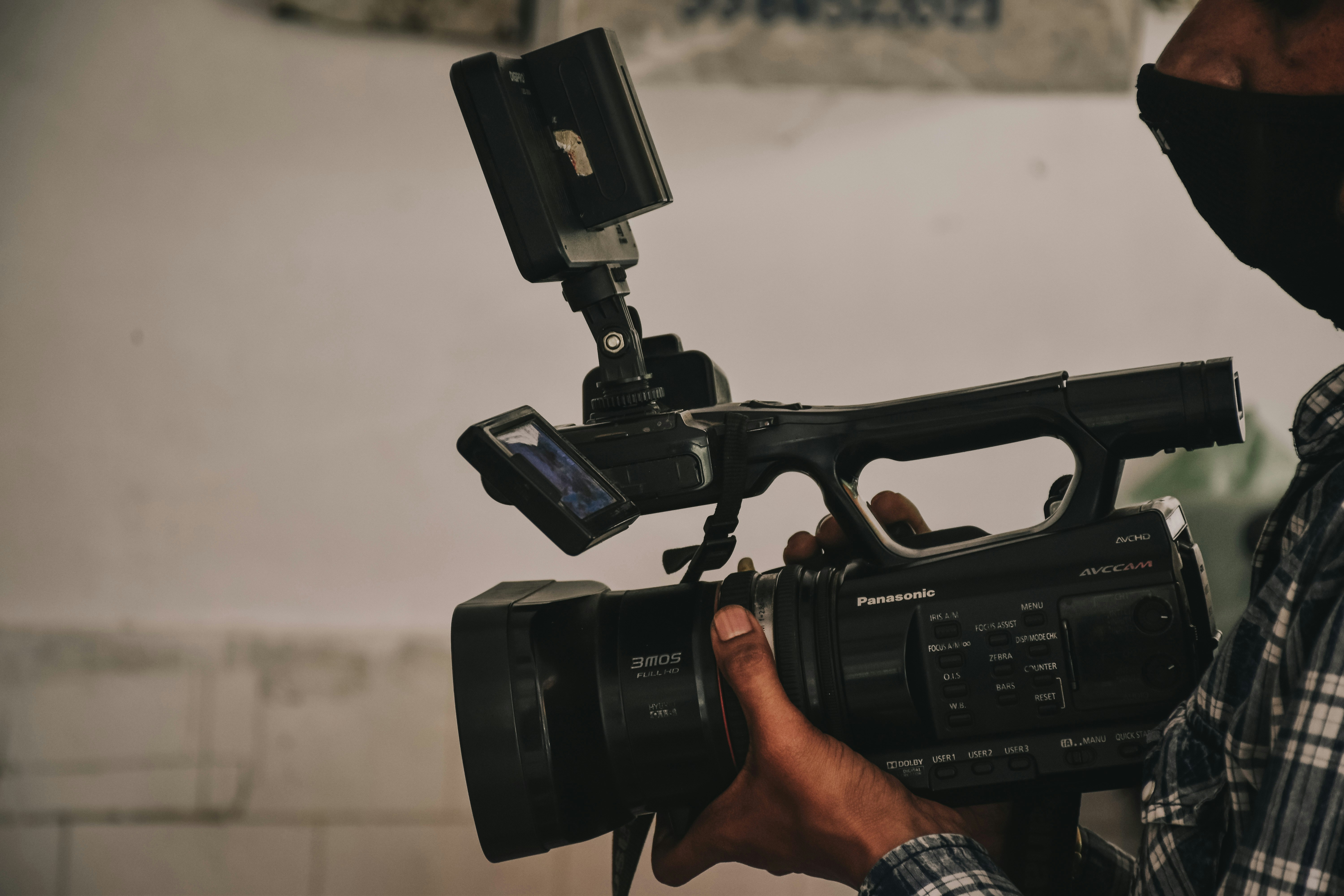
Regional art showcases in 2024 are undergoing a dynamic transformation. Artists are increasingly using their work to engage with pressing issues while blending tradition with technology. This mix of old and new, global and local, gives regional exhibits a fresh edge and relevance.
Spotlight on Urgency: Environmental and Social Narratives
Regional artists are responding boldly to the challenges of our time, using their platforms to tell compelling, often urgent stories. Environmental degradation, climate change, and local activism are all becoming central themes.
Site specific installations reflecting changes in landscape and ecology
Visual interpretations of local climate data or endangered flora and fauna
Pieces addressing racial justice, housing inequality, and labor movements
These narratives are often rooted deeply in the experience of specific communities, making them not only artistically powerful but socially resonant.
Tradition Re imagined: Old Meets New
Expect to see a thoughtful merging of techniques where ancient methods find new life alongside digital tools.
Printmakers using augmented reality to animate classic woodcuts
Ceramics and textiles embedded with sensor technology
Handcrafted materials recorded and recontextualized through digital projection
This intersectional approach reveals a desire to preserve cultural heritage while pushing medium boundaries.
Regional Realities: Artists Respond to Place
Artists are also tackling issues that hit closest to home, creating work that reflects and interrogates their specific environments.
Land use battles and their historical legacies
Shifting regional identities due to migration and gentrification
Remembrance based art that confronts erased or contested histories
By embedding personal and collective memory into their pieces, these creators offer vital insights into regional dynamics and identity politics.
Art becomes not only a reflection of place but a conversation with it.
Why These Showcases Matter Now More Than Ever
Regional art showcases aren’t just events they’re cultural and economic lifelines that serve communities in powerful, often overlooked ways. Their impact reaches beyond the walls of the gallery.
Uplifting Underrepresented Artists
These shows provide essential visibility for artists who may not have access to larger urban art networks. By centering regional diversity, they:
Offer inclusive platforms for emerging creators and marginalized voices
Highlight work based on lived experiences from specific communities
Provide career launching visibility at the local and national levels
Fueling Local Economies
An often underappreciated benefit of regional art events is their economic contribution to the host community:
Draw tourism through festivals, exhibitions, and public installations
Support small businesses cafes, lodging, transport, and more benefit from increased foot traffic
Generate income for working artists through sales, commissions, and workshops
Bridging Generations and Backgrounds
Art has the unique ability to spark intergenerational and cross cultural dialogue. Regional showcases create forums for shared experience and mutual learning:
Encourage exchange between established and emerging artists
Involve local schools and senior programs in educational outreach
Use localized themes to connect people across disciplines and histories
These exhibitions do more than display art they nurture deeply rooted ecosystems of creativity that benefit us all.
Where to Experience the Best of Region
If you’re looking to plug into the heart of a region’s creative pulse, time your visit with one of its annual showcases. These events aren’t just calendar fillers they’re deeply woven into local culture. Think art fairs tied to midsummer festivals, winter pop ups in converted barns, or fall exhibits that spill into neighborhood gardens. They’re deliberate, timed with harvests, solstices, and cultural milestones.
Beyond the shows themselves, it’s the texture that sets them apart. Artist talks feel more like conversations than panels. Live demos invite you into the creative process clay being shaped, prints being pulled, canvases coming alive. Studio walks offer glimpses into the real time mess of making art: sketches still wet, books open, coffee rings on the table.
For a standout experience, the regional works gallery is tough to beat. Known for its annual featured show, it’s where craftsmanship meets curation. The space is tight, focused, and rooted in the landscape around it. It’s not about scale it’s about presence.
Getting Involved
Regional art showcases thrive when the community leans in. If you’re an artist, pay attention to open calls these usually drop a few months ahead of big seasonal events. Deadlines matter, and organizers favor artists who follow guidelines cleanly and can carry the theme forward. Look to local arts councils, gallery websites, or statewide arts networks for announcements. Tip: Have a solid portfolio and artist statement ready to go. These opportunities often move fast.
Not an artist? No problem. Docents and volunteers are the quiet powerhouse behind these showcases. Whether it’s helping set up installations, guiding tours, or managing the welcome desk, support roles keep things humming. Galleries often offer flexible shifts and teach you along the way. It’s a low barrier way to get on the inside of the art world.
Collectors and even casual attendees have a role too. Buy local art. Share what you see. Encourage others to show up in person instead of just scrolling. And if you’re in a position to offer financial support even modestly consider contributing to artist grants or production funds. Sustainable support isn’t flashy. It’s consistent, rooted in appreciation, and far more impactful than a one off purchase.
 There is a specific skill involved in explaining something clearly — one that is completely separate from actually knowing the subject. Caroline Norfleeters has both. They has spent years working with artist spotlight features in a hands-on capacity, and an equal amount of time figuring out how to translate that experience into writing that people with different backgrounds can actually absorb and use.
Caroline tends to approach complex subjects — Artist Spotlight Features, Cultural Art Events, Gallery Exhibitions and Reviews being good examples — by starting with what the reader already knows, then building outward from there rather than dropping them in the deep end. It sounds like a small thing. In practice it makes a significant difference in whether someone finishes the article or abandons it halfway through. They is also good at knowing when to stop — a surprisingly underrated skill. Some writers bury useful information under so many caveats and qualifications that the point disappears. Caroline knows where the point is and gets there without too many detours.
The practical effect of all this is that people who read Caroline's work tend to come away actually capable of doing something with it. Not just vaguely informed — actually capable. For a writer working in artist spotlight features, that is probably the best possible outcome, and it's the standard Caroline holds they's own work to.
There is a specific skill involved in explaining something clearly — one that is completely separate from actually knowing the subject. Caroline Norfleeters has both. They has spent years working with artist spotlight features in a hands-on capacity, and an equal amount of time figuring out how to translate that experience into writing that people with different backgrounds can actually absorb and use.
Caroline tends to approach complex subjects — Artist Spotlight Features, Cultural Art Events, Gallery Exhibitions and Reviews being good examples — by starting with what the reader already knows, then building outward from there rather than dropping them in the deep end. It sounds like a small thing. In practice it makes a significant difference in whether someone finishes the article or abandons it halfway through. They is also good at knowing when to stop — a surprisingly underrated skill. Some writers bury useful information under so many caveats and qualifications that the point disappears. Caroline knows where the point is and gets there without too many detours.
The practical effect of all this is that people who read Caroline's work tend to come away actually capable of doing something with it. Not just vaguely informed — actually capable. For a writer working in artist spotlight features, that is probably the best possible outcome, and it's the standard Caroline holds they's own work to.