A Catalyst for New Ideas
Cultural festivals have become dynamic spaces where creative boundaries are pushed and redefined. By concentrating talent, audiences, and resources into a short timeframe, these events offer a unique breeding ground for experimentation and artistic growth.
Why Festivals Foster Innovation
Intensive creative environments: The condensed format of cultural festivals forces artists to produce and present work quickly, sparking spontaneous creativity.
Freedom from tradition: Unlike conventional gallery shows, festivals offer a platform where non commercial, conceptual, or unconventional ideas can flourish.
Support for risk taking: Artists are encouraged to try new approaches since the impermanence of the event reduces pressure to conform to market or institutional expectations.
Testing Grounds for Bold Concepts
Artists often use festivals as spaces to workshop emerging ideas that might not yet be ready or accepted in more rigid art world settings.
Experiments with new materials, digital tools, and narrative structures
Interactive work that invites viewer participation and adapts in real time
Political or socially charged content that finds more receptive audiences in festival environments
The Power of the Temporary
The fleeting nature of festivals plays an important role in encouraging creative risk.
Ephemeral installations allow for spontaneity and site specific innovation
Time limited programs promote urgency and focus, helping artists break from creative stagnation
Audience expectations shift, making them more open to disruption and discovery
Overall, festivals don’t just showcase new work they actively enable its creation, setting the stage for future transformations in the art world.
Cross Pollination of Disciplines
At their core, festivals are collisions. Visual artists brush shoulders with dancers. Musicians improvise next to textile makers. When disciplines meet like this, new forms break the surface performance with projection mapping, sculpture that sings, fashion shows turned political theater. This kind of hybrid thinking doesn’t just happen; it needs context, tension, and shared space. Festivals offer all three.
You’re not just seeing mixed mediums you’re seeing cross cultural code switching. A performer from Nairobi integrates folk rhythms into an electro beat choreography; a painter from Seoul riffs on Italian street art. These jams don’t come from working in silos. They spark when creators open up to ideas shaped by different geographies, traditions, and urgency. It’s messy. It’s unpredictable. And it’s exactly what keeps contemporary art alive.
Importantly, the work that comes out of these contexts often couldn’t exist anywhere else. It doesn’t belong to a single scene or school. It’s the output of friction artists rubbing up against each other’s worlds and deciding to make something neither expected. That’s innovation, unfiltered.
Pushing Boundaries Through Temporary Spaces
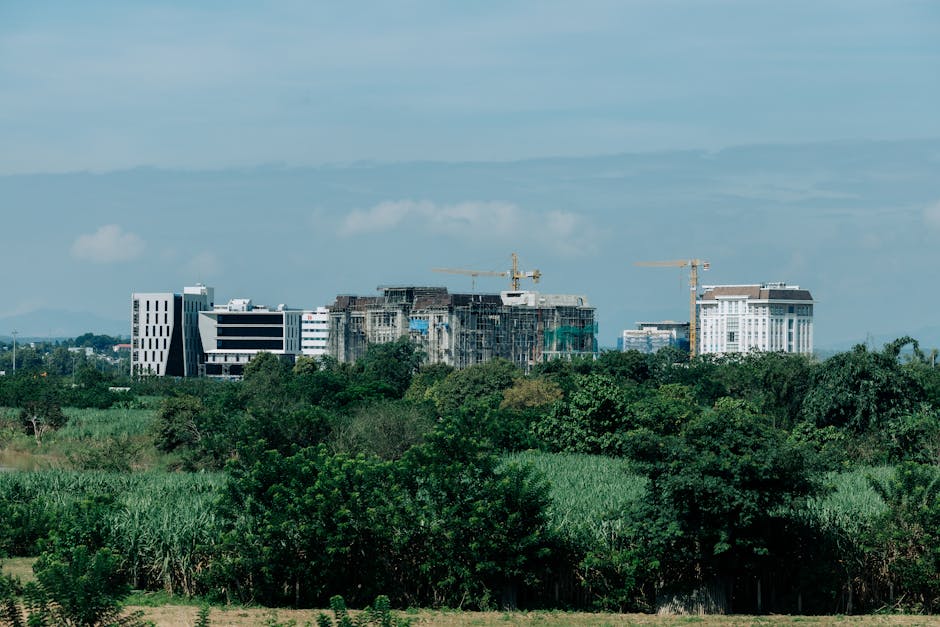
Cultural festivals are redefining where and how art happens. Gone are the static walls of white cube galleries replaced with shipping containers, reclaimed barns, abandoned factories, or open fields. Pop up venues give artists room to think format first, not frame first. The result? Work that doesn’t just hang it breathes, shifts, and surrounds.
But it’s not just about unusual settings. These spaces demand a real response. Artists aren’t dropping pre made work into neutral zones. They’re crafting site specific installations that react to the environment, context, and people passing through. The history of a space becomes the subtext of the piece. The physical terrain affects how the audience moves and sees. The timing daylight, weather, or festival schedule alters the work’s life cycle.
Some of the most compelling examples come from event driven exhibitions, where the location didn’t just host the piece it shaped it. In these cases, the line between artwork and experience disappears. What’s left is something alive fleeting, adaptive, and impossible to replicate inside a traditional institution.
Democratizing Art Through Festivals
Cultural festivals are key players in widening access to contemporary art. By stepping beyond traditional venues and major urban institutions, festivals bring creative expression directly into communities, streets, and shared public spaces.
Decentralizing the Art Experience
Traditional art exhibitions often take place in large cities and institutional settings, limiting accessibility for wider audiences.
Cultural festivals bridge this gap by hosting events in smaller cities, rural areas, and culturally specific environments.
These decentralized platforms invite participation from people who may not otherwise engage with contemporary art.
Elevating Emerging Voices
Festivals are often more open to showcasing lesser known or first time artists.
Emerging creatives gain exposure alongside established names, creating dynamic, multi generational dialogues.
The inclusive nature of festivals fosters a sense of opportunity and growth for rising talent.
Real Time Artistic Evolution
Interaction with live audiences encourages spontaneous shifts in the creative process.
Artists receive immediate feedback, inspiring adjustments or entirely new directions.
The festival setting becomes a live laboratory, where public engagement shapes not just reception, but the content and form of the artwork itself.
By making contemporary art more inclusive, immediate, and interactive, cultural festivals transform passive viewers into active participants fueling the evolution of both artists and audiences.
Long Term Impact on the Art World
Cultural festivals don’t vanish after the tents come down and the stages go quiet. What’s tested in these short bursts new media formats, radical installations, collaborative approaches often carries forward into bigger spaces. Museums, residencies, and galleries are watching. And increasingly, they’re pulling from festival born work because it’s already been tested in the wild.
Gatekeepers aren’t waiting for the traditional gallery debut anymore. Curators, collectors, and arts programmers now treat festivals like scouting grounds. The spontaneity and raw experimentation seen on the festival floor often hint at where mainstream art is headed next. Unpredictable, yes but also deeply influential.
This ripple effect spills into how exhibitions are conceived and executed. Many event driven exhibitions proudly feature works that were sparked or shaped at festivals. It’s not just about showing off the outcome; it’s about honoring the process that got it there. In 2024 and beyond, if you want to trace the pulse of artistic innovation, follow it back to the festival circuit.
The Innovation Loop
Festivals feed off invention. Fresh formats, unexpected ideas, raw experimentation they’re all part of the fuel. But what’s just as important is how these events don’t just consume innovation, they give it back. Every edition becomes more than a showcase; it turns into a test site. Ideas launched at festivals don’t stay confined they ripple outward, influencing galleries, residencies, and even mainstream practice.
This loop is what keeps the larger art world moving. Without the injection of urgency, context, and unpredictability that festivals bring, the ecosystem risks turning inward and stale. A biennial isn’t just a celebration it’s often a launchpad. The pace of change in the arts would slow dramatically without this churn of inputs and outputs. Festivals build momentum, and the rest of the field takes cues.
Innovation isn’t a side effect here. It’s the point.
 Zyphren Kryndall is the kind of writer who genuinely cannot publish something without checking it twice. Maybe three times. They came to inspiration and resources through years of hands-on work rather than theory, which means the things they writes about — Inspiration and Resources, Creative Techniques and Tutorials, Gallery Exhibitions and Reviews, among other areas — are things they has actually tested, questioned, and revised opinions on more than once.
That shows in the work. Zyphren's pieces tend to go a level deeper than most. Not in a way that becomes unreadable, but in a way that makes you realize you'd been missing something important. They has a habit of finding the detail that everybody else glosses over and making it the center of the story — which sounds simple, but takes a rare combination of curiosity and patience to pull off consistently. The writing never feels rushed. It feels like someone who sat with the subject long enough to actually understand it.
Outside of specific topics, what Zyphren cares about most is whether the reader walks away with something useful. Not impressed. Not entertained. Useful. That's a harder bar to clear than it sounds, and they clears it more often than not — which is why readers tend to remember Zyphren's articles long after they've forgotten the headline.
Zyphren Kryndall is the kind of writer who genuinely cannot publish something without checking it twice. Maybe three times. They came to inspiration and resources through years of hands-on work rather than theory, which means the things they writes about — Inspiration and Resources, Creative Techniques and Tutorials, Gallery Exhibitions and Reviews, among other areas — are things they has actually tested, questioned, and revised opinions on more than once.
That shows in the work. Zyphren's pieces tend to go a level deeper than most. Not in a way that becomes unreadable, but in a way that makes you realize you'd been missing something important. They has a habit of finding the detail that everybody else glosses over and making it the center of the story — which sounds simple, but takes a rare combination of curiosity and patience to pull off consistently. The writing never feels rushed. It feels like someone who sat with the subject long enough to actually understand it.
Outside of specific topics, what Zyphren cares about most is whether the reader walks away with something useful. Not impressed. Not entertained. Useful. That's a harder bar to clear than it sounds, and they clears it more often than not — which is why readers tend to remember Zyphren's articles long after they've forgotten the headline.