What Made Conceptual Art Revolutionary
From Object to Idea
The rise of conceptual art in the 1960s marked a fundamental shift in artistic priorities. No longer centered on traditional materials or visual outcomes, conceptual art placed the emphasis on ideas inviting viewers to engage intellectually rather than seek aesthetic pleasure alone.
Art was no longer defined by what it looked like, but by what it meant
Physical execution took a backseat to conceptual intention
Viewers were encouraged to reflect on context and concept, not just technique
“The Idea Becomes the Machine”
Artist Sol LeWitt famously stated, “The idea becomes the machine that makes the art.” This quote captures the core philosophy of conceptual art: the artist’s role is to conceive an idea, while the actual realization of the work may be done by others or even exist solely as a set of instructions.
Authorship became distributed, or even invisible
The focus was on systems, logic, and language rather than craftsmanship
Art began to operate more like literature, mathematics, or philosophy
Prioritizing Process, Not Product
Rather than delivering polished final pieces, conceptual artists often emphasized:
The process by which art was made
The context in which it was presented
The meaning arising from its execution, location, and interpretation
This shift opened new dimensions for what could be considered art transforming acts like writing, instructing, or archiving into valid creative practices.
A Legacy That Lives On
The impact of conceptual art is still felt today, especially in digital and post digital spaces. Its influence stretches across:
Generative and AI art: where the algorithm, not the hand, produces the image
NFTs and blockchain based works: where ownership is tied to metadata as much as visual output
Internet based practices: where text, participation, and ephemeral interaction serve as primary media
Conceptual strategies don’t just survive they thrive in contemporary forms.
Want to see how this legacy plays out in a digital creator’s journey? Explore more in From Canvas to NFT: The Hybrid Career of a Modern Digital Artist
Marcel Duchamp: The Provoker
Marcel Duchamp didn’t just shake up the art world he flipped the table. In 1917, he submitted a porcelain urinal titled Fountain to an art exhibition under a pseudonym. It was rejected, and that rejection became a landmark moment. The piece wasn’t about beauty or technique it was about the choice behind it. Duchamp called these works “readymades”: everyday objects declared as art simply by being selected and placed.
It was a big middle finger to the idea that art had to be handmade or tied to traditional skills. By removing the artist’s hand, Duchamp spotlighted the mind. He posed a question that’s still burning today: does the power of a work lie in how it’s made or in the idea it represents?
With that move, he carved out space for an entire movement. Conceptual art didn’t exist before Duchamp. After him, nothing in art looked the same. His approach laid the foundation for generations of creators to treat the idea itself as the artwork. And even now, in a digital world flooded with visual noise, his influence cuts through, sharp and clear.
Sol LeWitt: The Blueprint Thinker
Sol LeWitt didn’t just make art he mapped it out. His work turned the spotlight from the finished object to the process that made it possible. LeWitt believed the idea behind a piece was more important than its physical execution. That belief drove him to write precise instructions for his wall drawings, which could then be executed by others. To him, this didn’t reduce the value or authorship of the artwork it reinforced it. The concept was the art. The labor was incidental.
His method flipped the traditional art world on its head. Instead of emphasizing the artist’s hand, his system prioritized clarity, structure, and thought. Think clean lines, geometric patterns, and a manifesto level belief in form following function. It wasn’t about spontaneity. It was discipline, minimalism, and mind over matter.
LeWitt’s wall drawings sometimes executed by studio assistants or even volunteers prove that authorship doesn’t have to mean paint on hands. It can mean setting the rules of the game. Decades later, his approach still resonates with artists working with code, algorithms, and other forms of instruction led creation. In that way, he wasn’t just making art he was writing a rulebook for the future.
Joseph Kosuth: Language as Form
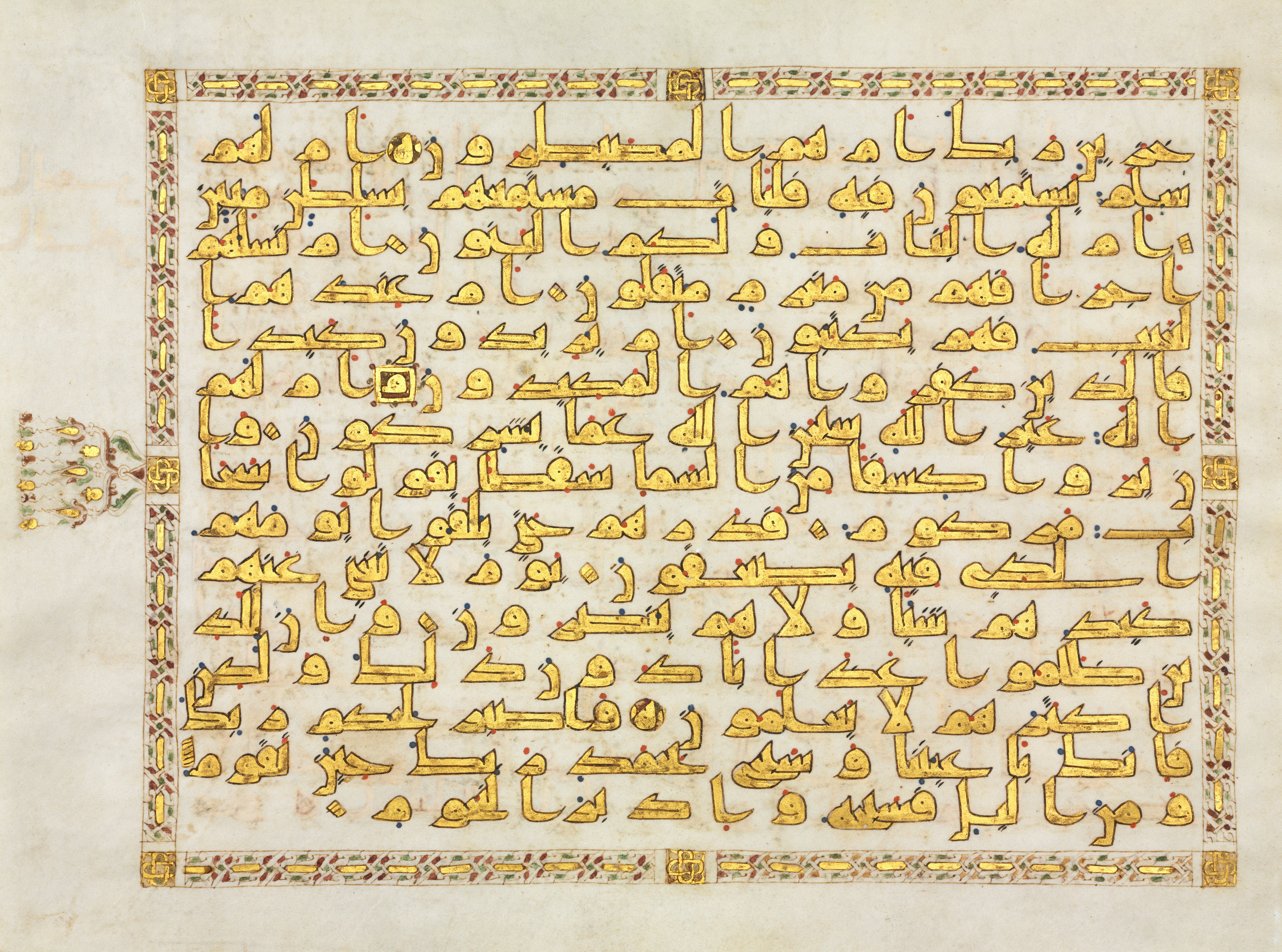
Joseph Kosuth didn’t just make art he dissected the very idea of what art could be. Best known for One and Three Chairs, his 1965 work that places a physical chair, a photograph of that chair, and the dictionary definition of “chair” side by side, Kosuth turned visual art into a philosophical riddle. The piece doesn’t ask you to admire form; it asks what makes a concept real.
Where others made objects, Kosuth wrote manifestos. His 1969 essay, Art After Philosophy, became a cornerstone for conceptual thinking, suggesting that art is neither painting nor sculpture but a way of investigating meaning. He routinely used language as medium quotes on walls, definitions typed in Helvetica, ideas laid bare.
Kosuth’s work helped nudge the art world away from objects you can sell and toward ideas you have to grapple with. He showed that an artwork didn’t have to be handmade or beautiful it just had to make you think. That shift, from art as object to art as idea, set the tone for an entire generation of conceptual artists that followed.
Yoko Ono: Instruction and Intuition
Yoko Ono emerged as a key figure in conceptual art by challenging traditional boundaries between artist, audience, and artwork. Her practice placed emphasis on the imaginative and experiential aspects of art, inviting viewers to become co creators.
Conceptual Scores and Participation
Ono pioneered instruction based artworks, most notably with her 1964 book Grapefruit, a collection of poetic directives that invite mental or physical interaction.
These “scores” asked audiences to imagine acts rather than observe them turning the internal response into the final artwork.
Her approach blurred the lines between performance, text, and conceptual thought.
Performance Meets Imagination
Rather than presenting a finished object, Ono’s work often suggested a framework of possibility.
Viewers were prompted to complete the work through individual interpretation, making each experience unique.
This approach legitimized the intangible feelings, memories, silences as valid forms of artistic expression.
Silence, Absence, and Suggestion as Tools
Where traditional art relies on form and material, Ono engaged with non material elements like time, breath, and stillness.
Her works often centered around absence, pushing viewers to focus not on what is shown but what is implied.
This emphasis on subtlety and suggestion opened up new spaces for emotion, reflection, and activism within the art world.
Ono’s work continues to influence contemporary conceptual and performance artists, especially those interested in participatory practices and minimal gestures that carry layered meanings.
Adrian Piper: Identity and Social Critique
Adrian Piper didn’t ask for permission she cut straight through the comfort zone of Western art. A philosopher and artist, Piper used conceptual strategies to make race, gender, and power unavoidable subjects in the gallery space. Her works didn’t just suggest meaning they stared you down and dared you to look away.
In pieces like My Calling (Card) #1 and Cornered, Piper called out both personal and institutional biases. Whether handing white strangers business cards addressing their racist comments or positioning herself as both narrator and subject in video works, she made the viewer complicit, forcing a moment of confrontation rather than observation.
Piper’s influence runs deep in today’s socially engaged artists those who blur lines between art, activism, and daily life. Her legacy? That using art to expose uncomfortable truths requires more than a clever concept. It takes guts, clarity, and an unflinching voice.
Why These Pioneers Still Matter in 2026
Long before Instagram grids and generative art tools, conceptual artists were asking hard questions about meaning, context, and authorship. Today’s digital native creators those working with code, memes, NFTs, or performance streamed live stand on ground these pioneers cleared decades ago. The shift from the precious object to the powerful idea didn’t just forecast the internet age it enabled it.
By rejecting object centered art, conceptualists opened the door to a fully post material creative culture, where the medium is fluid and the experience is often virtual. That matters now more than ever. In a time when AI can fabricate polished images faster than a person can finish a sentence, there’s sharp value in returning to intent. The “why” behind the work the choice, the tension, the thought process has become the differentiator.
Artists like LeWitt, Piper, and Ono didn’t just make art. They built systems of thinking. In 2026, that mental architecture is still helping today’s creators find clarity and purpose in a noisy, automated feed driven world.
 Zyphren Kryndall is the kind of writer who genuinely cannot publish something without checking it twice. Maybe three times. They came to inspiration and resources through years of hands-on work rather than theory, which means the things they writes about — Inspiration and Resources, Creative Techniques and Tutorials, Gallery Exhibitions and Reviews, among other areas — are things they has actually tested, questioned, and revised opinions on more than once.
That shows in the work. Zyphren's pieces tend to go a level deeper than most. Not in a way that becomes unreadable, but in a way that makes you realize you'd been missing something important. They has a habit of finding the detail that everybody else glosses over and making it the center of the story — which sounds simple, but takes a rare combination of curiosity and patience to pull off consistently. The writing never feels rushed. It feels like someone who sat with the subject long enough to actually understand it.
Outside of specific topics, what Zyphren cares about most is whether the reader walks away with something useful. Not impressed. Not entertained. Useful. That's a harder bar to clear than it sounds, and they clears it more often than not — which is why readers tend to remember Zyphren's articles long after they've forgotten the headline.
Zyphren Kryndall is the kind of writer who genuinely cannot publish something without checking it twice. Maybe three times. They came to inspiration and resources through years of hands-on work rather than theory, which means the things they writes about — Inspiration and Resources, Creative Techniques and Tutorials, Gallery Exhibitions and Reviews, among other areas — are things they has actually tested, questioned, and revised opinions on more than once.
That shows in the work. Zyphren's pieces tend to go a level deeper than most. Not in a way that becomes unreadable, but in a way that makes you realize you'd been missing something important. They has a habit of finding the detail that everybody else glosses over and making it the center of the story — which sounds simple, but takes a rare combination of curiosity and patience to pull off consistently. The writing never feels rushed. It feels like someone who sat with the subject long enough to actually understand it.
Outside of specific topics, what Zyphren cares about most is whether the reader walks away with something useful. Not impressed. Not entertained. Useful. That's a harder bar to clear than it sounds, and they clears it more often than not — which is why readers tend to remember Zyphren's articles long after they've forgotten the headline.