Urban Walls as Canvas
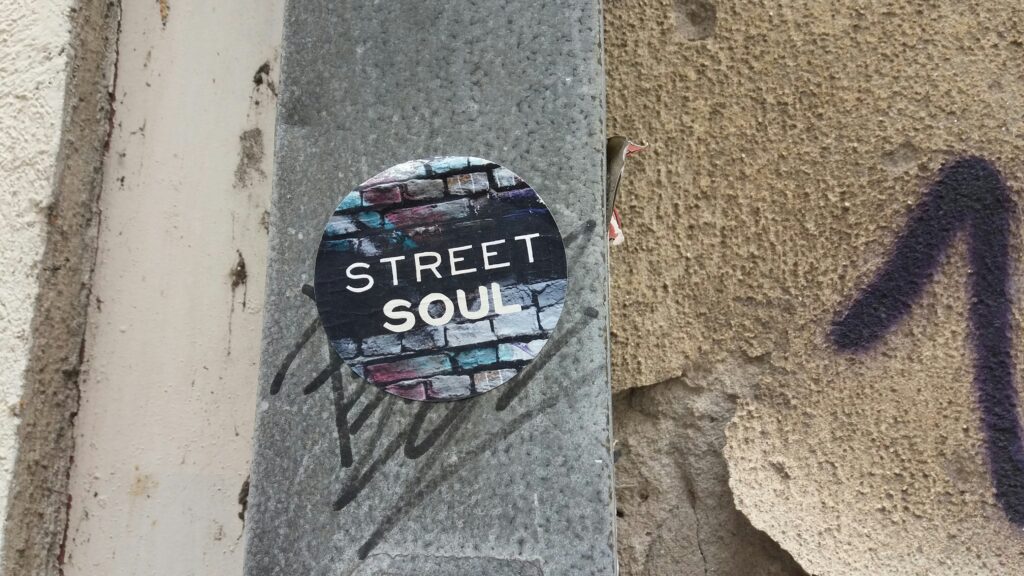
Once considered dead zones or urban eyesores, underpasses, building walls, and alleyways are being reimagined as open air galleries. It’s not just artists tagging surfaces under cover of darkness anymore entire sides of buildings are being claimed by vibrant works that stop people in their tracks. The concrete and brick that used to symbolize grit or neglect now serve as raw canvas for color, story, and local pride.
What changed? For one, public opinion. The old stigma of vandalism is giving way to an understanding: street art is culture, not crime. Where cities once prioritized scrubbing every surface clean, many now fund the paint and lift the ladders. In places like Philadelphia, Melbourne, and Mexico City, local governments are investing in large scale murals and installations that drive tourism, deepen community identity, and bring attention to overlooked areas.
This isn’t just beautification. It’s cultural shift transforming static urban infrastructure into living, breathing, visual narratives. It’s a movement shaping how people interact with their cities, one wall at a time.
Street Art as Social Commentary
Today’s street artists aren’t just leaving marks they’re leaving messages. As the world reels from rising rents, melting coastlines, and widening gaps between rich and poor, murals have become megaphones. Walls are talking, loudly.
In cities facing rapid gentrification, artists are reclaiming space. A boarded up storefront becomes a statement on displacement. A mural of a melting polar bear sprawls across a highway overpass with the clarity of a protest sign. These aren’t just pretty pictures they’re pressure points, reminders that something’s wrong underneath the surface gloss.
Social media gives these visuals legs. A mural painted late one night can end up in a million feeds by morning, sparking conversation, backlash, or even policy discussion. Campaigns like the climate focused “This Wall Won’t Last” project in Berlin or LA’s “Evicted Yet Still Here” series didn’t just trend they stirred genuine civic dialogue. People showed up at town halls. People voted.
This is street art carrying weight not just with paint, but with presence. It takes the tension of the times and throws it onto a surface everyone can see and interpret, whether you’re walking past or scrolling through.
New Media, Old Roots
In 2026, street art is a strange but compelling blend of pixels and paint. Traditional forms spray paint tags, wheatpaste posters, stencil graffiti aren’t going anywhere. But they’re being layered with newer tools: projection mapping that floods city walls with ephemeral compositions, and AR overlays that change the mural depending on where you’re standing or what device you’re holding up to the wall.
The result? A shifting, living narrative. Technology adds texture, not just spectacle. But there’s a tightrope walk here. As digital tools advance, the challenge is holding onto what made street art matter in the first place its defiance, its grit, its refusal to wait for permission. Many artists are clear: if it feels too polished, too corporate, it’s not the real thing.
Influences from conceptual art movements in the 1960s and ’70s where the idea behind the work mattered more than its form still pulse under the surface. For those wanting to trace that lineage, check out Pioneers of Conceptual Art You Should Know About. Today’s artists are still pushing boundaries, just with more tools in their backpacks.
From Anonymous Walls to Global Recognition
Street art has evolved far beyond underground movements and late night missions. In recent years, it’s stepped into the global spotlight, thanks to a collision of cultural appetite, digital visibility, and shifting perceptions around public space. The journey from anonymity to acclaim has reshaped what it means to be a street artist today.
Breaking Into the Mainstream
Some artists have been pivotal in carving a path from outlaw expression to global legitimacy:
Banksy is perhaps the most famous example. His politically charged, stenciled works have graced city walls, auction houses, and documentary films, demonstrating that street art can carry both social weight and market value.
Other artists such as JR, Shepard Fairey, and Swoon have similarly blurred the line between public art and fine art, taking street aesthetics into global institutions while staying grounded in activism.
The Digital Transformation
The rise of social media especially visual platforms like Instagram has radically transformed how street art is discovered and consumed:
Artists no longer need gallery representation; a viral mural or installation can launch a global following overnight.
Digital portfolios have given street artists a new level of control over their narrative, making their work accessible to curators, brands, and fans worldwide.
Hashtags and geotagging turn city walls into shareable experiences, creating real time feedback loops between artist and audience.
Integrity Meets Legality
As street art gains commercial and institutional acceptance, many artists face tough questions:
Should street art be legal or stay subversive? While legal commissions provide visibility and financial stability, they can come with creative constraints or bureaucratic red tape.
Where is the line between selling out and scaling up? Some purists argue that legality dilutes the rebellious nature of street art, while others see commissioned work as a platform for amplified impact.
Navigating corporate collaborations means finding a balance between personal voice and brand messaging, making artistic integrity more vital than ever.
Street artists now navigate a complex terrain where fame, authenticity, and opportunity intersect a far cry from the underground beginnings, but full of potential for lasting cultural relevance.
Turning Cities Into Cultural Statements
Take a walk through almost any revitalized neighborhood and you’ll notice murals aren’t just decoration they’re narrative. Street artists are transforming blank walls into local statements. These works often reflect the history, struggles, and soul of the communities they emerge from. That matters, especially in areas fighting gentrification or erasure. When the art comes from within the neighborhood, it becomes a marker of identity, not a tourist friendly rebrand.
The most successful art led revitalization efforts stay grounded uplifting the area without sanding off its edge. Think of them as cultural scaffolding. Rather than scrubbing a neighborhood clean of its past, artists are layering new meaning on top of it. That pride isn’t manufactured; it grows organically when residents see their own stories elevated in public space.
This doesn’t happen in a vacuum. Increasingly, street artists are teaming up with urban planners, architects, and local governments to embed creativity into public infrastructure. From color coded walkways to multi story murals designed around natural light, these collaborations are reshaping how cities feel. They’re proof that civic aesthetics don’t have to be sterile and that good design can be bold, human, and local.
Street Art in 2026: What’s Next
Street art isn’t just something to look at anymore it’s something to step into. More urban projects are ditching passive appreciation in favor of interactive, immersive experiences. Think murals that react to movement, alley installations with soundscapes, AR layers revealing hidden narratives. What was once a silent statement on a wall now pulls people into a story they can walk through, touch, or contribute to.
This evolution isn’t organic it’s being built. Cities are investing in artist residencies tailored toward public space, offering grants that prioritize collaboration between disciplines. Painters are teaming up with coders, dancers with architects. The result: street based work that’s more layered, more dynamic, and far more connected to the neighborhoods it’s part of.
And here’s the real shift: cities that fund and trust their artists aren’t just decorating buildings. They’re shaping identity. They’re creating cultural infrastructure that doesn’t just attract visitors it roots locals. When artists are at the table early not just brought in to paint something pretty after the fact community voices get louder. And cities grow around people, not just skyline plans.
 There is a specific skill involved in explaining something clearly — one that is completely separate from actually knowing the subject. Caroline Norfleeters has both. They has spent years working with artist spotlight features in a hands-on capacity, and an equal amount of time figuring out how to translate that experience into writing that people with different backgrounds can actually absorb and use.
Caroline tends to approach complex subjects — Artist Spotlight Features, Cultural Art Events, Gallery Exhibitions and Reviews being good examples — by starting with what the reader already knows, then building outward from there rather than dropping them in the deep end. It sounds like a small thing. In practice it makes a significant difference in whether someone finishes the article or abandons it halfway through. They is also good at knowing when to stop — a surprisingly underrated skill. Some writers bury useful information under so many caveats and qualifications that the point disappears. Caroline knows where the point is and gets there without too many detours.
The practical effect of all this is that people who read Caroline's work tend to come away actually capable of doing something with it. Not just vaguely informed — actually capable. For a writer working in artist spotlight features, that is probably the best possible outcome, and it's the standard Caroline holds they's own work to.
There is a specific skill involved in explaining something clearly — one that is completely separate from actually knowing the subject. Caroline Norfleeters has both. They has spent years working with artist spotlight features in a hands-on capacity, and an equal amount of time figuring out how to translate that experience into writing that people with different backgrounds can actually absorb and use.
Caroline tends to approach complex subjects — Artist Spotlight Features, Cultural Art Events, Gallery Exhibitions and Reviews being good examples — by starting with what the reader already knows, then building outward from there rather than dropping them in the deep end. It sounds like a small thing. In practice it makes a significant difference in whether someone finishes the article or abandons it halfway through. They is also good at knowing when to stop — a surprisingly underrated skill. Some writers bury useful information under so many caveats and qualifications that the point disappears. Caroline knows where the point is and gets there without too many detours.
The practical effect of all this is that people who read Caroline's work tend to come away actually capable of doing something with it. Not just vaguely informed — actually capable. For a writer working in artist spotlight features, that is probably the best possible outcome, and it's the standard Caroline holds they's own work to.