What Eco Art Actually Is
Eco art is any form of creative work made with the environment in mind not just as a theme, but as a guiding principle. At its core, it’s art that confronts ecological issues through intentionality in both process and message. It isn’t limited to using recycled materials, though that’s often part of it. It’s about the full spectrum from what the piece is made of, to what it says, and where it shows up.
This isn’t a trend riding on greenwashing. Eco art is part philosophy, part protest, part blueprint. Some of it looks like massive outdoor installations built from storm debris; some of it is a live performance that disappears without a trace. There’s sculpture, graffiti, natural soundscapes, interactive exhibits planted in forests, and even digital work that critiques overconsumption through minimalism.
The key thread? A commitment to environmental consciousness whether that means spotlighting climate issues, reducing impact through materials, or embedding sustainability into the creative act itself.
Why It’s Taking Off in 2026
Climate isn’t just a backdrop anymore it’s the headline. After the high stakes 2025 UN climate summit, environmental urgency has gone from activist circles to front page priority. Extreme weather, rising sea levels, and resource anxiety have made sustainability the new common sense. In the arts world, that urgency is shaping what gets made and what gets attention.
Enter Gen Z and Gen Alpha. These digital native generations grew up with eco documentaries in their feeds and climate strikes on their school calendars. They aren’t passively consuming culture they’re curating it with purpose. For them, buying a print or sharing a video isn’t just about aesthetics; it’s about whether the work reflects values they stand for, like climate justice and low impact creation. Eco art fits that demand with a near perfect match.
Artists, in turn, aren’t just reacting they’re pushing forward. Public installations have become platforms for policy influence. From biodegradable sculptures protesting ocean pollution to murals that double as air purifiers, artists are using public work to advocate, educate, and challenge. And in some cases, they’re helping draft local environmental guidelines through partnerships with municipalities and NGOs. Art has moved from the studio to the street and the street now leads to the negotiation table.
Artists Leading the Charge
Across the globe, a new breed of creators is merging art with action. These aren’t just painters or sculptors they’re visual tacticians using creativity as a lever for change. From São Paulo to Seoul, artists are ditching flashy gloss in favor of stripped down, message first work. The medium is pared back. The impact isn’t.
Take Nairobi based collective GreenFrame. They use salvaged metal and clay from construction sites to create sculptural installations about water scarcity. Or Berlin’s Kaja Morgenstern, who turns used sailcloth into large scale fabric murals documenting rising sea levels. Their aesthetic choices are minimal. Their messages hit like a gut punch.
What sets these creators apart isn’t just material use it’s who they’re working with. More and more are teaming up with climate scientists, local policy groups, and environmental engineers. This cross pollination is refining eco art from expressive gesture into informed, data backed storytelling. In Cameron County, Texas, artist Jorge Zamora collaborates directly with coastal erosion researchers to visualize disappearing shorelines, turning GPS data into massive land art visible from drones and satellites.
This isn’t activism stapled onto art. It’s baked in from the start. It’s tactile. Targeted. And slowly, it’s shaping conversation in places where graphs and reports fall flat.
Methods & Materials That Matter
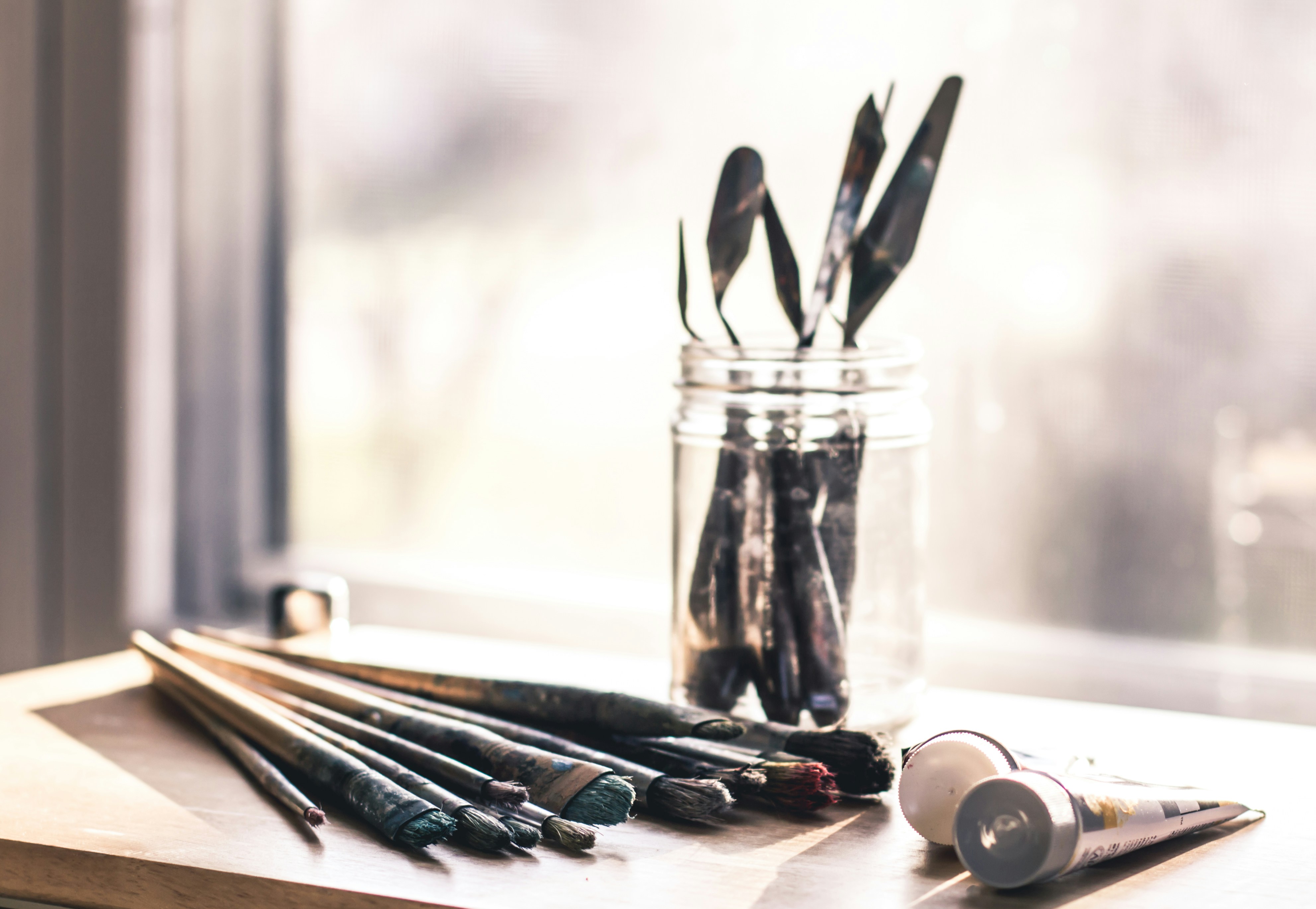
Modern eco art is as innovative in its techniques as it is in its message. At its core, it’s about making environmentally responsible choices at every stage of the creative process, from the ground up literally.
From Waste to Wonder
One of the hallmarks of eco art is the use of everyday, discarded materials. These aren’t just chosen for their availability, but for their symbolism and potential to spark new perspectives.
Found objects: Mobilizing trash, driftwood, or industrial remnants to provoke thought about waste
Upcycled materials: Repurposing textiles or packaging to reduce demand for new resources
Biodegradable inks: Offering an eco friendly alternative to harsh, chemical based pigments
Natural Innovation: Textiles and Dyes
Instead of petroleum derived fabrics or synthetic coloring agents, many eco artists are turning to organic, renewable sources.
Sustainable textiles: Hemp, organic cotton, and recycled fibers support both design and ecology
Algae based dyes: Provide vibrant coloration with minimal environmental impact
Plant and soil based pigments: Reconnect art with the land itself
Lighting the Way Responsibly
Eco art often intersects with technology, using innovation to achieve sustainability.
Solar powered installations: Artworks that operate day and night without drawing from the grid
Energy aware design: Sculptures and exhibitions designed for minimal power use
The Shift in Mentality
Perhaps most notably, there’s a growing pivot away from synthetic, plastic driven mediums that dominate mass produced art and toward a more planet conscious studio culture.
Conscientious material sourcing: Artists research the full lifecycle of their materials
Less and better ethos: Minimalist aesthetic paired with maximum accountability
This material renaissance is not just about aesthetics it’s about ethics. By choosing methods that leave a lighter footprint, eco artists are creating work that not only inspires, but also sustains.
Where Eco Art Meets Public Space
Eco art is increasingly stepping out of galleries and into the streets, parks, and public buildings. Artists are using the urban environment not just as a canvas, but as a platform for environmental message sharing, community engagement, and sustainable transformation.
Urban Murals with an Ecological Voice
Murals are no longer just decorative they’ve become powerful storytelling tools rooted in place and purpose.
Many feature endangered species, rising sea levels, or indigenous land rights.
Eco murals often use nontoxic, biodegradable paints.
Some even incorporate air cleaning technology, transforming walls into functional environmental assets.
These large scale pieces are especially effective in underserved areas, acting as both education and inspiration.
Street Art That Leaves No Trace
Temporary installations and ephemeral street art challenge the idea of permanence.
Chalk murals, ice sculptures, and biodegradable installations are designed to melt, fade, or wash away.
Artists embrace impermanence as a metaphor for environmental fragility and change.
The goal: provoke thought without pollution.
This disappearing art encourages public reflection without leaving a carbon cost behind.
Greener Cities Through Creative Integration
City planners and creators are now co authoring urban experiences with sustainability in mind.
Public parks feature artistic stormwater systems like rain gardens and sculptural bioswales.
Eco art is becoming part of new infrastructure projects, blending aesthetics with functionality.
Art collectives work with architects to design walkways, transit stations, and buildings that celebrate and serve the environment.
Public space is no longer neutral ground. It’s a living gallery, and eco art is helping shape its future.
The Bigger Picture: Art as a Reactor and Reflector
Eco art isn’t just a mode of expression it’s a record. As the climate shifts, so does our culture, and artists are responding in real time. Their work captures the friction of rising seas, burning forests, disappearing ecosystems. But more than that, it captures how we feel about it our grief, denial, hope, and action. These pieces become timelines, emotional barometers, and living archives.
This isn’t future gazing. It’s happening now, and it’s making its way into classrooms, design studios, and strategic boards. Education programs are adapting, teaching students not just how to create art, but how to think critically about its impact. Eco art is showing up in museums, yes but also in lesson plans, urban planning, and even startup pitches. It’s reframing creativity as a tool for both witnessing and shaping what comes next.
For a broader look at where this movement fits in the evolving art landscape, check out Top Artistic Movements Reshaping the Creative World in 2026.
Final Word: Creativity That Does More than Look Good
Eco art isn’t about matching your living room. It’s not a trend you can slap on a gallery wall and forget. It’s a stance a visual protest, a creative alternative to business as usual. For artists working in this space, the goal isn’t just to spark attention. It’s to shift perspective.
With raw materials getting harder to come by and attention spans getting shorter, sustainable creativity isn’t optional anymore. It’s strategic, urgent, and deeply personal. The canvas might be a building. The brush might be moss. But the point stays the same: our planet is in crisis, and art can either reflect that or ignore it.
Artists today are pushing past aesthetics. They’re weaving meaning into their materials, their spaces, their choices. Eco art asks a simple question: what does it mean to create when everything around us is on the line? The best work answers by doing.
This kind of art doesn’t whisper. It insists.
 There is a specific skill involved in explaining something clearly — one that is completely separate from actually knowing the subject. Caroline Norfleeters has both. They has spent years working with artist spotlight features in a hands-on capacity, and an equal amount of time figuring out how to translate that experience into writing that people with different backgrounds can actually absorb and use.
Caroline tends to approach complex subjects — Artist Spotlight Features, Cultural Art Events, Gallery Exhibitions and Reviews being good examples — by starting with what the reader already knows, then building outward from there rather than dropping them in the deep end. It sounds like a small thing. In practice it makes a significant difference in whether someone finishes the article or abandons it halfway through. They is also good at knowing when to stop — a surprisingly underrated skill. Some writers bury useful information under so many caveats and qualifications that the point disappears. Caroline knows where the point is and gets there without too many detours.
The practical effect of all this is that people who read Caroline's work tend to come away actually capable of doing something with it. Not just vaguely informed — actually capable. For a writer working in artist spotlight features, that is probably the best possible outcome, and it's the standard Caroline holds they's own work to.
There is a specific skill involved in explaining something clearly — one that is completely separate from actually knowing the subject. Caroline Norfleeters has both. They has spent years working with artist spotlight features in a hands-on capacity, and an equal amount of time figuring out how to translate that experience into writing that people with different backgrounds can actually absorb and use.
Caroline tends to approach complex subjects — Artist Spotlight Features, Cultural Art Events, Gallery Exhibitions and Reviews being good examples — by starting with what the reader already knows, then building outward from there rather than dropping them in the deep end. It sounds like a small thing. In practice it makes a significant difference in whether someone finishes the article or abandons it halfway through. They is also good at knowing when to stop — a surprisingly underrated skill. Some writers bury useful information under so many caveats and qualifications that the point disappears. Caroline knows where the point is and gets there without too many detours.
The practical effect of all this is that people who read Caroline's work tend to come away actually capable of doing something with it. Not just vaguely informed — actually capable. For a writer working in artist spotlight features, that is probably the best possible outcome, and it's the standard Caroline holds they's own work to.